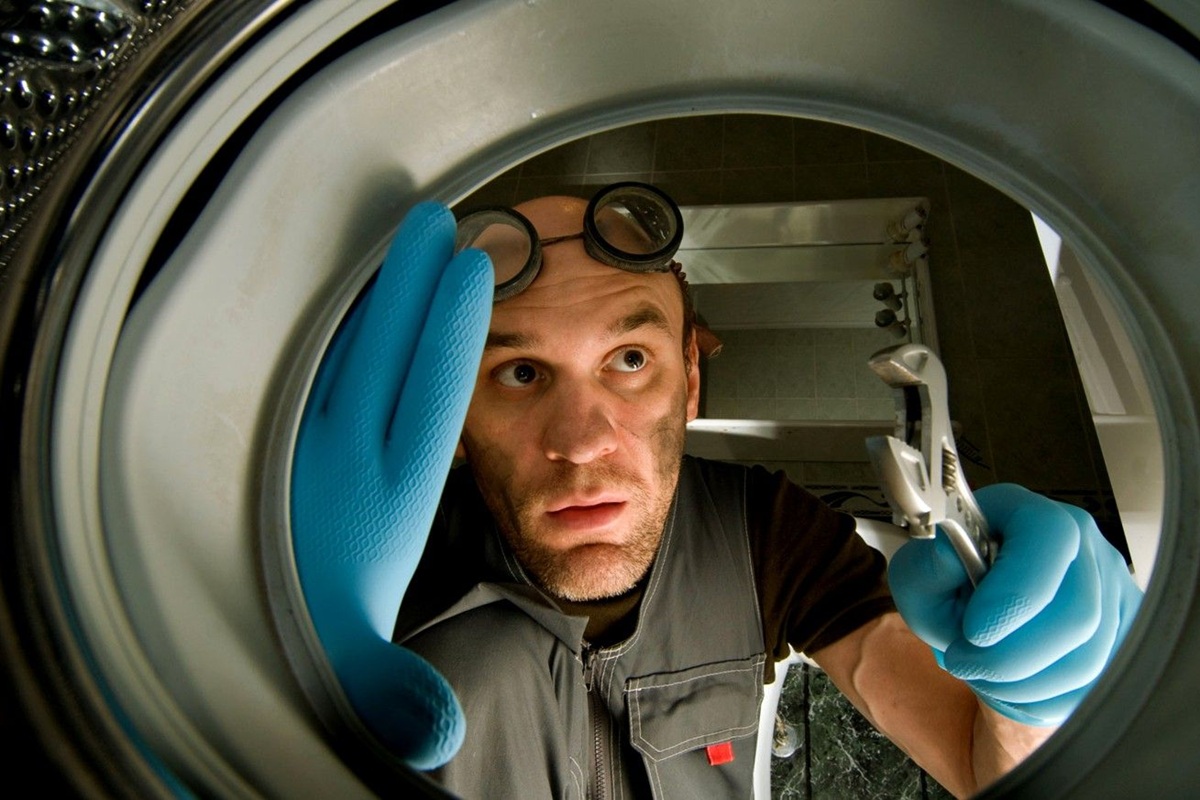
The expert explains that companies manufacture appliances with parts that are increasingly expensive to repair, so that users have no choice but to buy a new one. Repairing an appliance seems, in many cases, to have gone from being the norm to becoming almost the exception. What used to be common practice, calling a technician in the event of a breakdown, now seems to be at risk of extinction. More and more people, when one of their appliances breaks down, do not even consider repairing it and choose to buy a new one directly. But is it just a question of price or convenience?
Paul Charmbury, an expert in appliance repair, explains that the key lies in the way certain essential components are designed. He explains this with a clear example: washing machines. Many modern machines are designed to make repair difficult or impossible, artificially shortening their useful life and forcing repeat purchases. In his words, ‘it’s a deliberate strategy to force people to buy a new machine’.
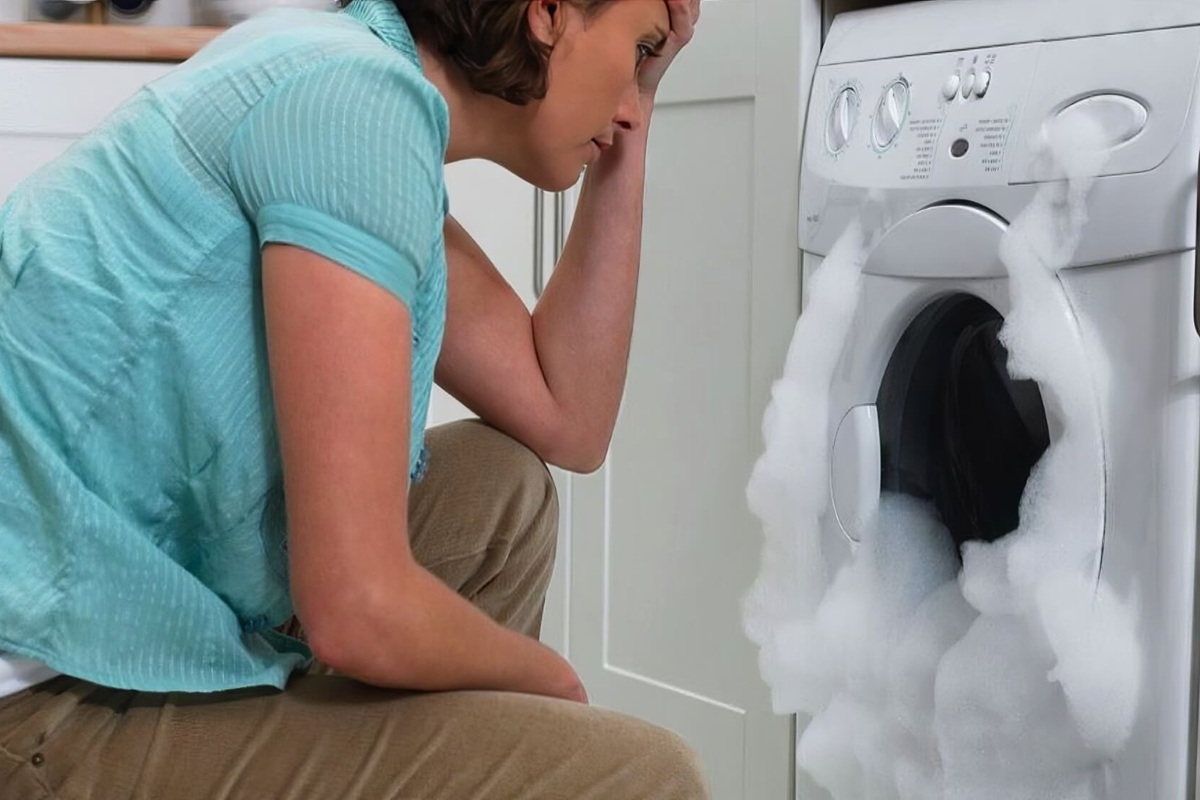
The expert explains that, in these appliances, the drums ‘used to be accessible and easy to replace,’ but now they are not because ‘the two halves of the drum are welded or glued together, rather than joined with screws.’ In practice, this means that if a single internal part fails, the user cannot easily replace it and the only option is to replace the entire part. “The manufacturer expects you to pay £360 for a new drum, when the entire machine costs just under £500. No one is going to do that. What they really expect is that you will end up buying a new washing machine, which is exactly what they want you to do.”
This practice affects not only households but also employment
The technician points out that this has consequences that go far beyond households. ‘Engineers and small businesses are being systematically put out of work by the companies we do the work for,’ warns Charmbury. He explains that this is a phenomenon that is multiplying on a large scale, as these sealed drums, which cannot be repaired with parts, are present in more than 40,000 different models of washing machines, which amplifies the economic, social and environmental impact of this trend.