Pollution generated by human waste has become one of the most urgent environmental challenges of our era. Every day, millions of tonnes of waste are dumped into the natural environment: from plastics that remain floating in the oceans for centuries to disused electronic devices that travel the planet from one landfill to another. Despite efforts to recycle and reduce waste production, the magnitude of the problem continues to grow, with devastating consequences for entire ecosystems. One of the most striking examples of this environmental tragedy is found in an unexpected place: a remote island in the South Pacific, declared a World Heritage Site by UNESCO.
Incredibly, this natural paradise, once valued for its biodiversity and geographical isolation, has become a giant landfill, a victim of neglect, global pollution and international passivity.
We are talking about Henderson Island, a place that today cruelly represents the price nature pays for our way of life.
From World Heritage Site to rubbish dump
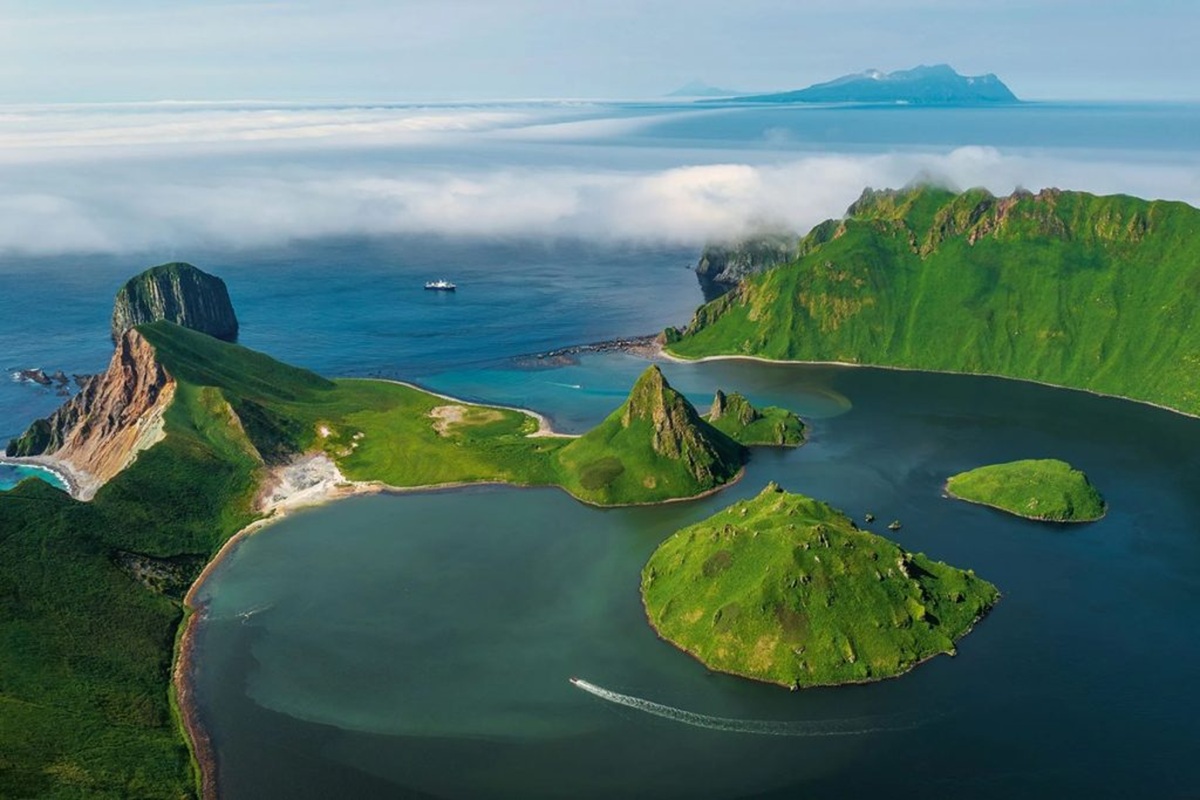
Henderson Island, also known in the past as Elizabeth Island or San Juan Bautista Island, has been part of the British overseas territory of the Pitcairn Islands since the early 20th century. Despite its modest size of only 37 square kilometres, its ecological importance is enormous. In 1988, UNESCO included it on its World Heritage list, highlighting that it was one of the few atolls on the planet that preserved a virtually intact ecosystem. Its isolation allowed the development of endemic species and ideal conditions for scientific studies on evolution and biodiversity.
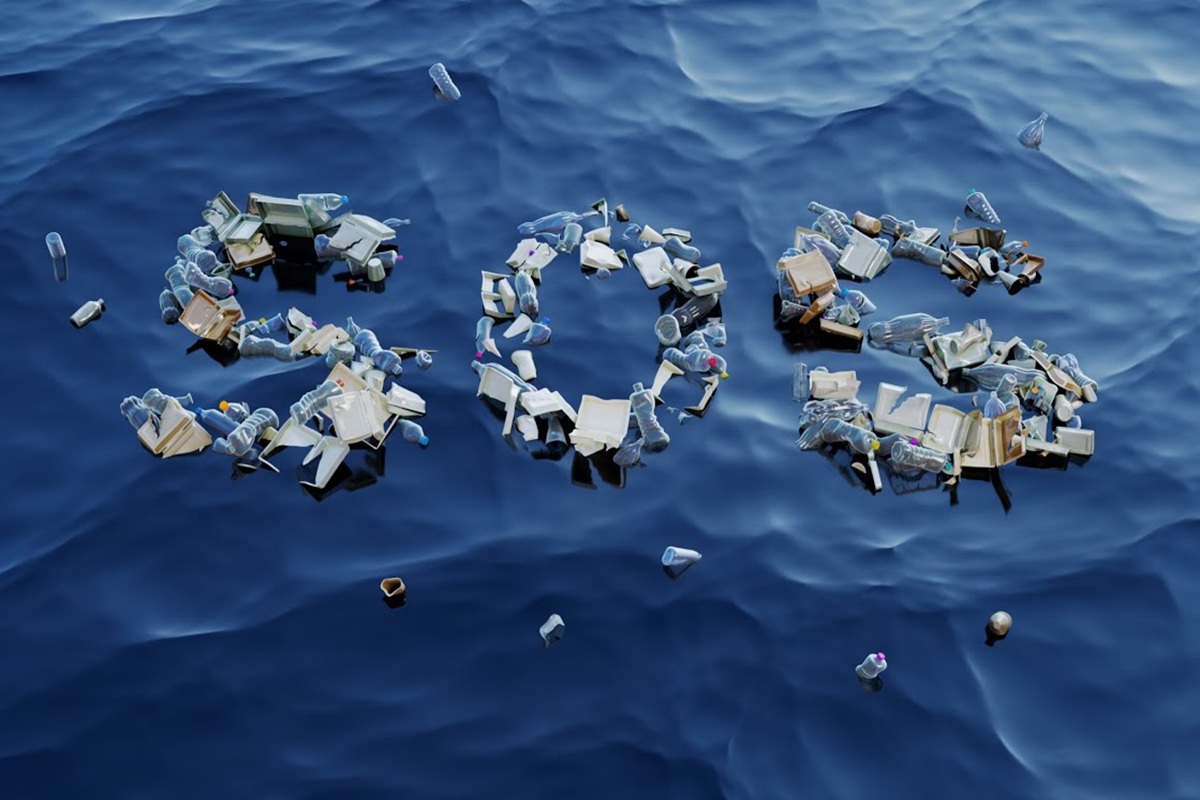
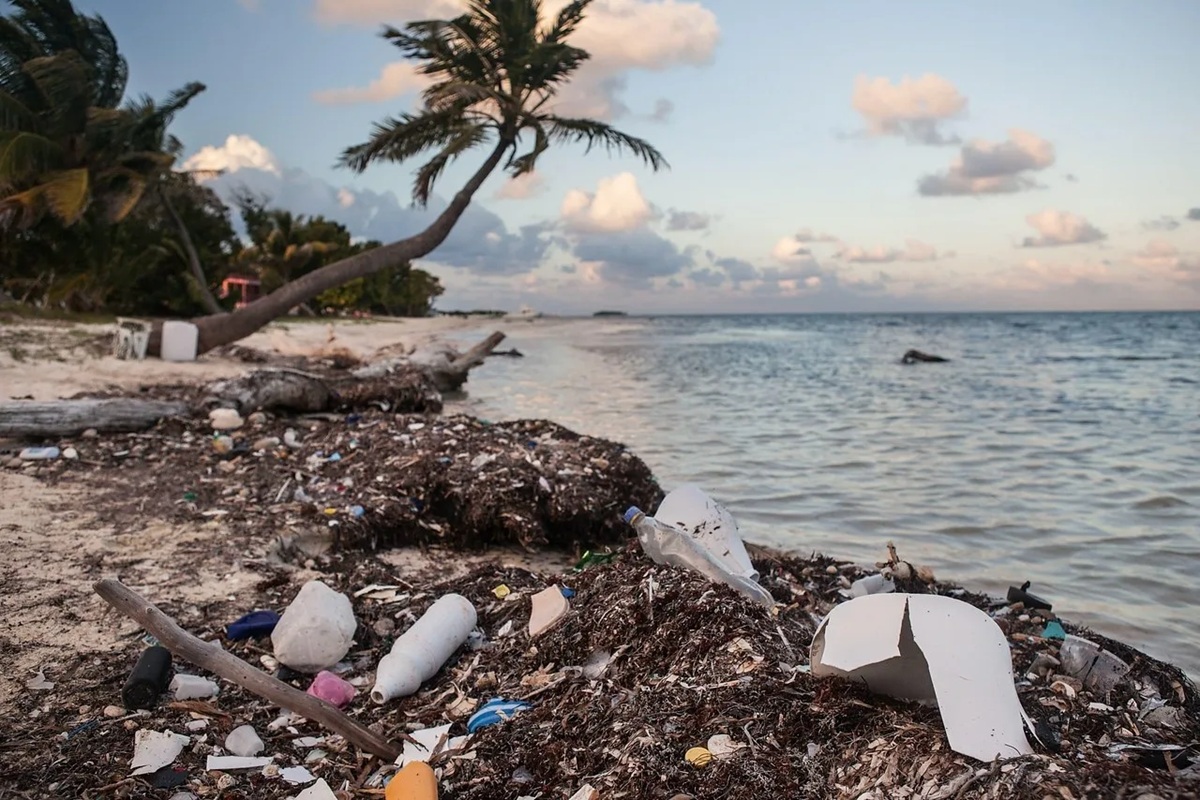
However, this natural treasure has succumbed to the impact of plastic. Today, its beaches are littered with rubbish, making it one of the most polluted places in the world. Recent studies estimate that around 18 tonnes of waste have accumulated on just 2.5 kilometres of coastline and, most alarmingly, around 3,750 new plastic objects are added every day. This figure is equivalent to a waste density 100,000 times higher than the global average.
Most of this waste is carried by the South Pacific Gyre, a gigantic ocean current that acts as a magnet for rubbish, bringing with it waste from different parts of the planet. It is suspected that much of this pollution comes from Latin America and industrial practices, especially fishing, which, despite being prohibited in the area, leaves an indelible mark. The current deposits all kinds of objects on Henderson: buoys, bottles, plastic buckets, nets, kitchen utensils and even children’s toys.
But what is most worrying is that much of this waste is not visible to the naked eye. It is estimated that 68% of the waste is buried just 10 centimetres below the surface of the sand, with a concentration of more than 4,500 fragments per square metre. This reality transforms Henderson into a laboratory of the ecological disaster we face on a global scale, an uncomfortable mirror of our most destructive habits.
Seabirds, which find Henderson an ideal nesting site, have begun to ingest plastics mistaken for food, with fatal effects. It is estimated that more than 55% of seabird species worldwide are affected by this problem, including two species native to the island. Plastic debris accumulates in their stomachs, causing malnutrition, poisoning and even death.
Land crabs, common inhabitants of Henderson’s ecosystem, have also had to adapt to this new and harmful reality. Deprived of their natural shelters, many have begun to use human waste as housing. Bottle caps, cosmetic packaging, toy fragments… any cavity serves as a new shell. A study led by researcher Jennifer Lavers reported the case of a crab that had made the broken head of a doll its new home. This image, as disturbing as it is symbolic, shows the extent to which waste has invaded the natural world.
This type of situation not only affects wildlife, but also radically transforms the ecological processes on which these ecosystems depend. Plastic alters soil temperature, changes the chemical composition of sand and acts as a vector for the introduction of invasive species, disrupting the balance that characterises island environments.
The tragedy of Henderson also reveals the ineffectiveness of international conservation policies. Despite its status as a World Heritage Site, the island has been the victim of institutional neglect. There are no permanent clean-up programmes or effective measures to protect against the arrival of waste. The scientific community has spoken out on several occasions, warning of the impending ecological collapse, but the responses have been sporadic and limited at best.