

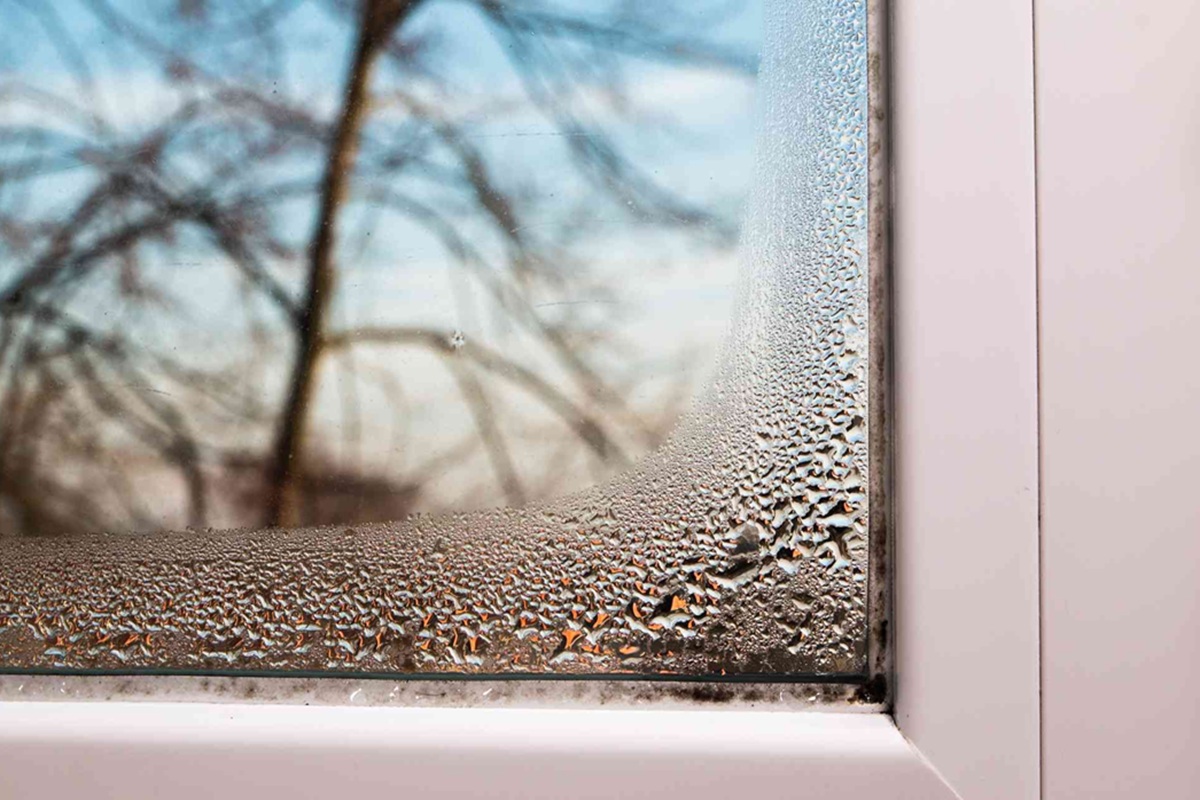
Windows with droplets are not only annoying, but they also promote the growth of mould. With this simple home remedy from our grandparents, your windows will stay clean. Every morning it’s the same: foggy windows, water droplets sliding down the glass and accumulating on the sill. What seems harmless can be costly, as condensation is mould’s best friend. But there is a simple solution that our grandmothers already knew.
A trick: the dishwasher as a secret weapon
The solution costs less than a cup of coffee and can be found in every home: simply a dishwasher. The trick works thanks to what is known as surface tension: the dishwasher prevents water droplets from forming on the window.
Here are the steps to follow:
- Clean the windows thoroughly: remove all residue with a conventional glass cleaner.
- Apply the dishwasher detergent: put a drop of dishwasher detergent on a dry microfibre cloth.
- Spread evenly: clean the entire surface of the window with the cloth, don’t worry if streaks remain.
- Polish: remove the streaks with a second dry cloth.
Result: an invisible film that prevents water droplets from forming. Instead, condensed water runs off in a thin stream without accumulating.

Why do windows fog up?
The problem is related to the temperature difference between the inside and outside. Warm air inside can absorb more moisture than cold air; when it comes into contact with cold glass, water vapour condenses. This particularly affects bedrooms, kitchens and bathrooms, where a lot of moisture is generated.
The consequences are serious: the water that accumulates on the window sill softens the wood, the joints become porous and black mould forms in the corners. Repair costs often run into several thousand pounds.
Dishwasher detergent contains so-called surfactants, which are molecules that reduce the surface tension of water. This prevents the formation of droplets; the water no longer “drips” but runs off evenly, as reported. Incidentally, motorists have long been using this effect to prevent condensation from forming on their windows.
Alternative home remedies:
- Shaving foam: works in the same way as dishwasher detergent, but is more expensive and more difficult to use.
- Vinegar: helps to clean, but does not prevent condensation from forming; on the contrary, vinegar can even increase surface tension.
- Newspaper: a classic polishing remedy, but not effective against condensation.
- Glycerine: works, but is difficult to obtain and often leaves marks.
Dry windows: how long does the treatment last?
Depending on the humidity and temperature changes, the effect lasts between two and four weeks. Later, when you see the first drops of water again, it is time to repeat the treatment. If the windows in the kitchen or bathroom are used intensively, weekly treatment may be necessary.
- Ventilate well: ventilating intensively two or three times a day for five minutes effectively reduces the humidity in the air.
- Measure the humidity in the air: with a relative humidity of over 60%, the risk of condensation increases considerably. Simple hygrometers can be purchased from £5.
- Do not forget about heating: even rooms that are used infrequently should be heated to a minimum of 16 degrees.
- Move furniture: leave a space of at least 10 centimetres between furniture and the exterior wall so that air can circulate.
But beware: if, despite all these measures, condensation continues to appear, it may be due to construction defects: leaky windows, poor insulation or faulty ventilation systems. In this case, only a specialist can help. Some warning signs may indicate that the problem is not so easy to solve:
- Condensation even at low outside temperatures.
- Mould stains, despite regular ventilation.
- Damp walls around windows.