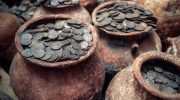
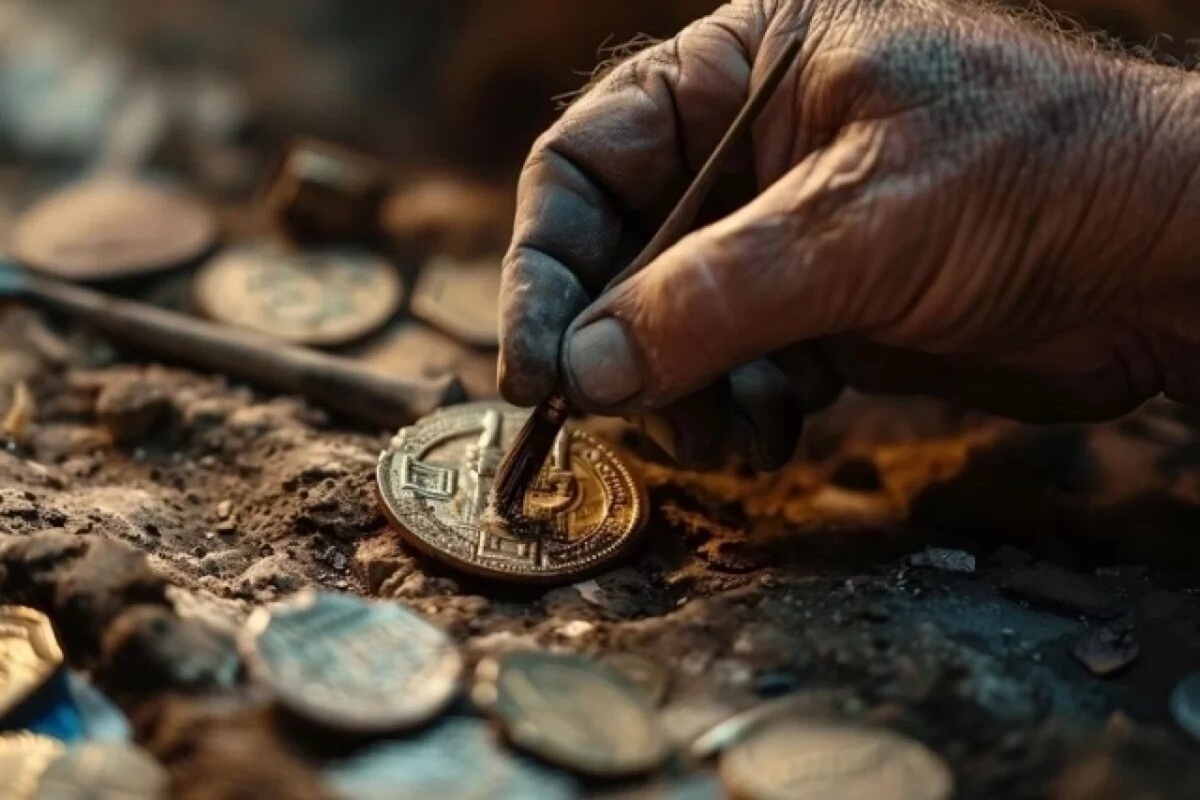
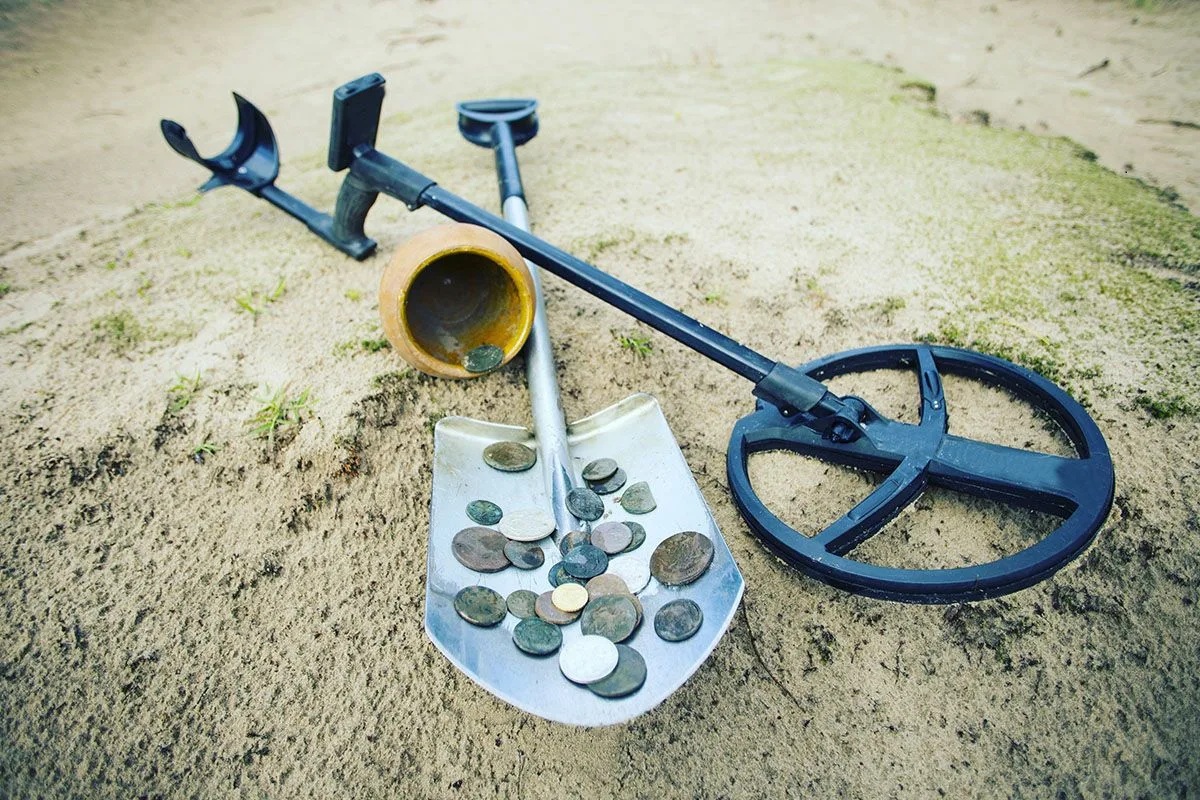
A metal detector recently found a treasure trove of more than 100 gold and silver coins buried in the Netherlands, prompting archaeologists to investigate the site further. But now that we know what the coins were used for, perhaps the archaeologists should have left them where they were. According to a study published in the journal Medieval Archaeology, the coins, which had been buried for 1,300 years in the Netherlands, were likely used in worship rituals, and further down the site, archaeologists discovered the remains of a 7th-century open-air place of worship. It is more than plausible that the coin hoard was what was known as “devil’s money”, coin offerings common at pagan places of worship.
Metal detectors made the discovery near Hezingen, a village close to the Dutch border with Germany. The coins date from around 700 AD — including some rare finds from the mints of the Frankish Empire — and were found alongside metal jewellery in 2020 and 2021.
There were several clues that helped archaeologists deduce that the site where the coins were found was once a place of worship. There were rows of posts, evidence of a large residence in a clearing near an ancient crossroads in a prominent elevated landscape, traces of animal sacrifices, and more. They also determined that the gold coins and jewellery were placed there at intervals of more than 100 years and interspersed with animal sacrifices, making it clear that the site once served as a place of ritual sacrifice to pagan gods.
The archaeologists, led by Jan-Willem de Kort of the Dutch Cultural Heritage Agency, located signs of an ancient structure, probably from the 6th century, as well as 17 holes for wooden posts aligned with the spring and autumn equinoxes, which linked the site to seasonal harvest rituals. ‘The place of worship was probably linked to a high-status settlement nearby, with a closed house of worship or ceremonial building,’ the study’s authors wrote. ‘The offerings may have been linked to fertility rituals, as the posts were aligned with sunrise and sunset during the spring and autumn equinoxes.’
In total, gold and silver coins were discovered in three areas. One site had a single gold coin, while another had 24 fragmented or complete gold coins, along with silver and gold jewellery. The third site featured gold coins and jewellery. ‘I think this place of worship was mainly used by local elites to emphasise their own status, and of course, you do that mainly with valuable objects,’ said de Kort, according to the website Phys.org. ‘The finds at the other places of worship are probably more the result of personal offerings and therefore less precious.’
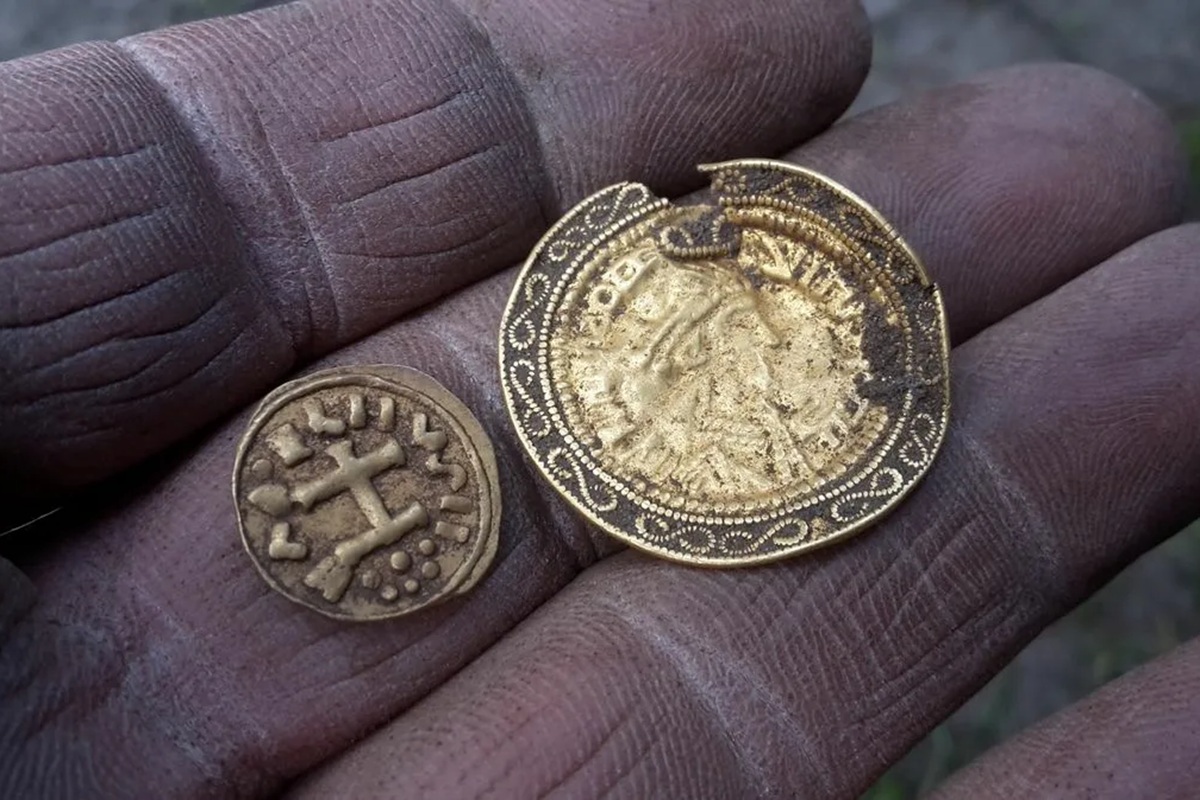
The use of the site by the elites and the timing of this raise questions about the rise of Christianity in the area. Use of the site declined in the 700s AD, the study states, before the rise of Christianity in the region, leading the study’s authors to theorise that leaders in the area may have converted to Christianity before others.
As prominent missionary texts explained, for pre-Christian groups to convert to Christianity, they would need to stop worshipping pagan gods and cease sacrificing so-called “devil’s money”. As Hezingen was abandoned in the early 8th century, when Christianity began to spread, the study’s authors suggest that the city’s leaders — who were wealthy, as evidenced by the value of the gold and silver — were among the first in the area to convert to Christianity.