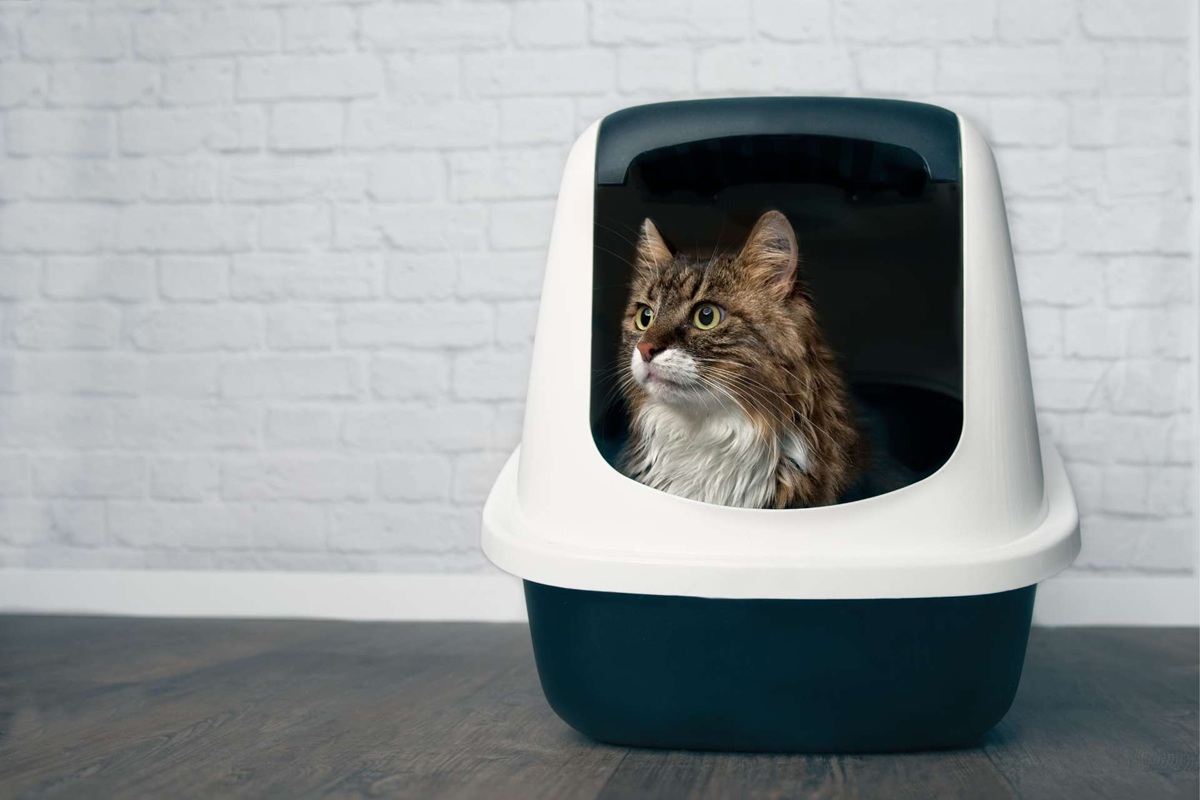
Learn about the properties of this ingredient, why it’s effective, and what precautions should be taken. Having cats as pets seems like a simple task. However, despite being independent, they need some care, both for their health and for the cleanliness and order of the house. One of the places most affected by dirt and bad odours is the cat litter tray. But this problem can be solved with a single kitchen ingredient. This is white vinegar, which has multiple cleaning functions, as well as being a condiment for some meals.
Why is it recommended to spray white vinegar in the cat’s litter tray?
- It helps eliminate strong odours: white vinegar has natural deodorising properties. Spraying it on the tray – not on the litter that the cat uses – helps neutralise the odours that become impregnated in the base of the container. This prevents the odour from intensifying over time.
- It is a mild disinfectant: its acidity allows it to eliminate bacteria and fungi commonly found in spaces where there is organic matter. Although it does not replace deep cleaning, it works as a complement to maintain hygiene between litter changes.
- It reduces urine impregnation in plastic: with frequent use, the tray can absorb odours and stains. Vinegar acts as a cleaner that ‘releases’ dried urine deposits, facilitating their removal and prolonging the life of the container.
How to apply vinegar to the cat litter tray
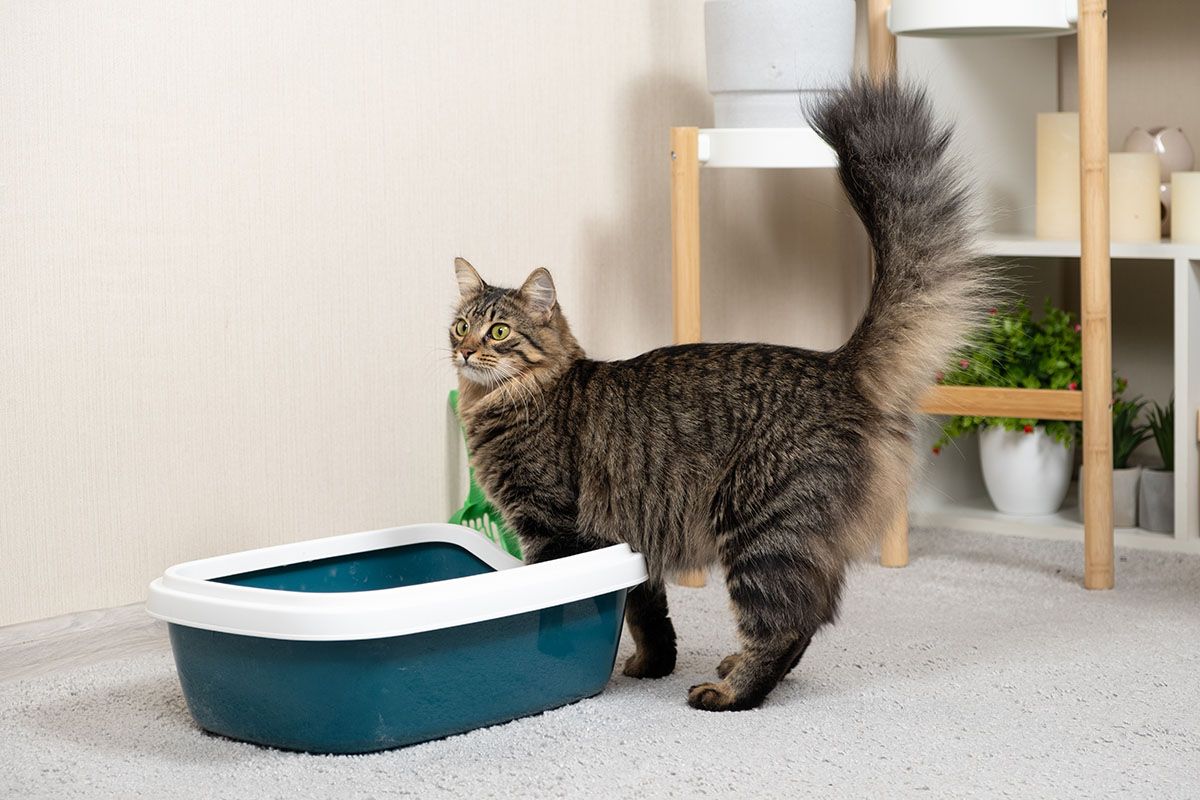
- Remove all the litter before applying.
- Spray the solution and leave it to work for 5 to 10 minutes.
- Rinse with plenty of water.
- Dry thoroughly before adding clean litter again.
- Avoid mixing vinegar with bleach, as this generates toxic gases.
Advantages of using this trick in the litter tray
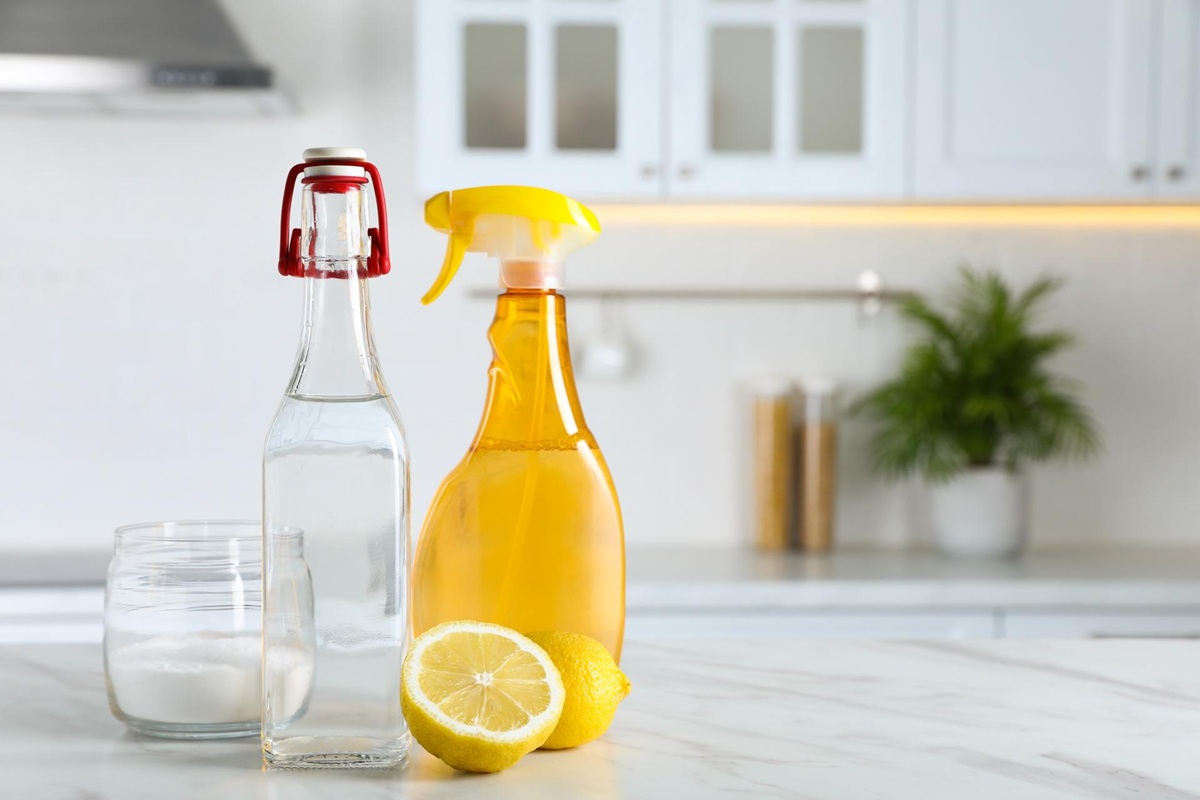
- It is economical and easy to apply: all you need is a solution of white vinegar diluted in water (half and half). Spray the tray whenever you remove all the litter, leave it to work for a few minutes and rinse thoroughly.
- It is non-toxic to cats if used correctly: when it evaporates, it leaves no harmful residues. However, it is essential to rinse thoroughly so that the smell is not too strong, as many cats may find this unpleasant.
- It helps to prevent unwanted behaviour: a strong smell — whether from dirt or harsh chemicals — can cause your cat to avoid its litter tray. Vinegar, when rinsed thoroughly, helps to keep the environment neutral and pleasant for your pet.
Precautions to take into account
- Avoid using on metal trays: vinegar can corrode some metals. On the other hand, it is safe for plastic trays.
- Do not overuse: it is recommended to use it only during deep cleaning, not every day. Excessive use can create a persistent aroma that bothers the animal.