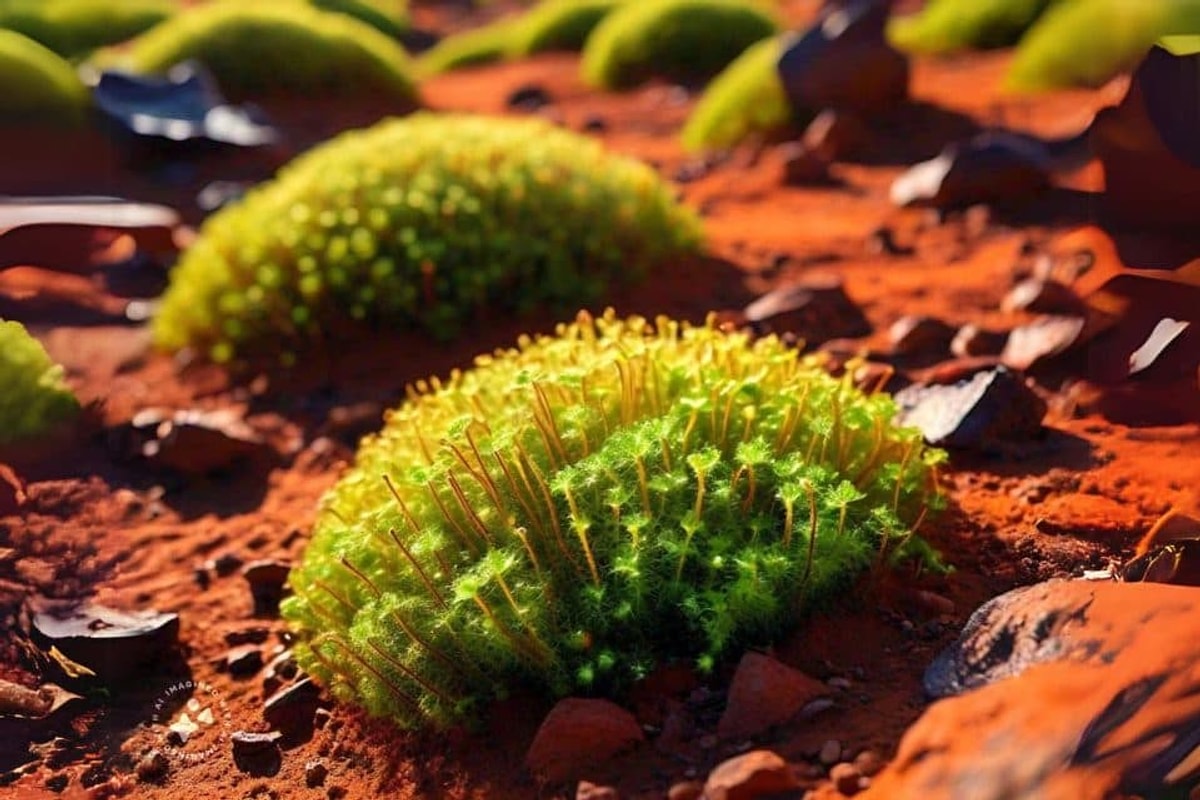
For many years, the idea of growing food outside Earth has given hope for food self-sufficiency in future missions to Mars. However, new scientific results have left the astronomical community with a bitter taste in their mouths.
According to research by NASA, space salad grows more slowly and loses much of its nutritional value.
Space salad with fewer nutrients: the other side of NASA’s experiment
The initial enthusiasm for space agriculture has been overshadowed by the results of a study published in Nature, based on open data from NASA (OSD and SOMA).
Researchers found that plants grown in microgravity conditions show a significant loss of important minerals compared to their terrestrial counterparts.
Salad harvested at both the International Space Station and the Chinese Tiangong II station contained 29-31% less calcium and about 25% less magnesium, reports Earth.com.
At first glance, the leaves appear healthy, but their chemical composition indicates a deficiency that is dangerous to human health. ‘Space lettuce may look perfect in photos, but it doesn’t strengthen bones,’ scientists warn.
This loss of nutrients is critical for astronauts. In microgravity conditions, the human body already suffers accelerated bone loss, and a diet low in calcium and magnesium exacerbates this deterioration.
Added to this is the instability of iron levels, which can cause fatigue and anaemia during prolonged missions.
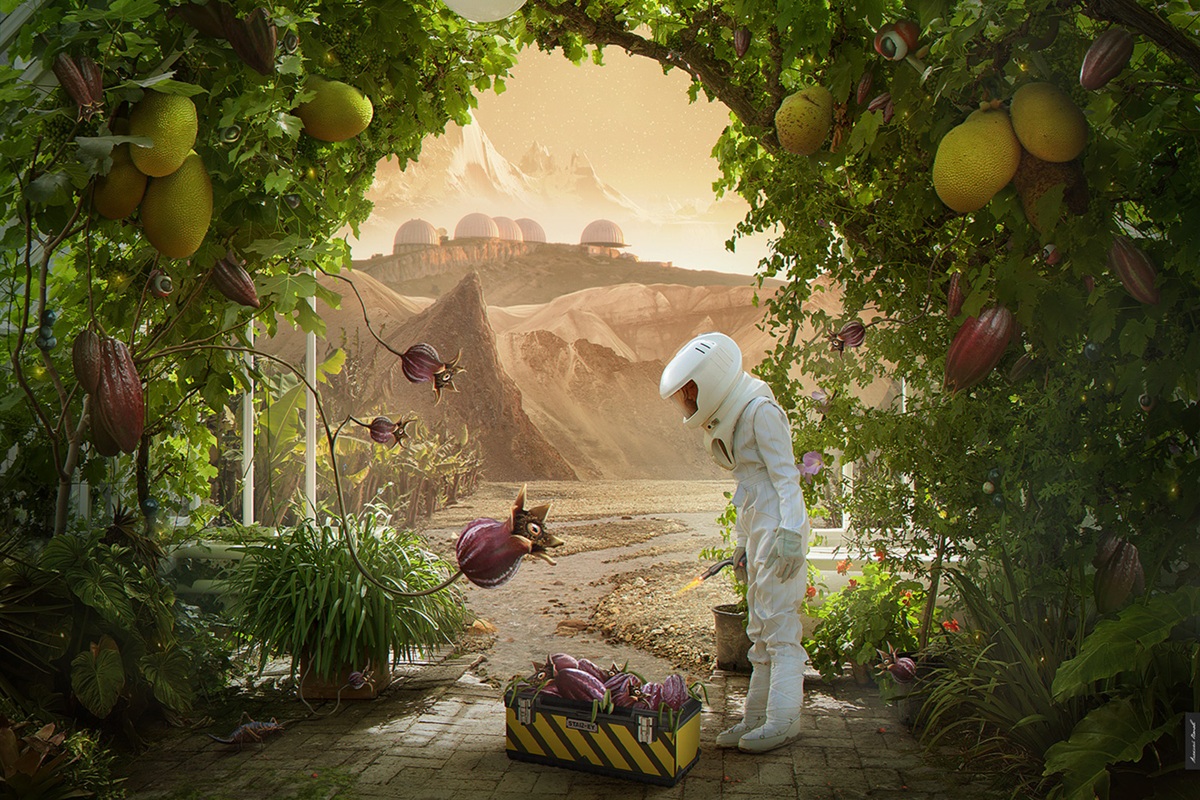
How microgravity affects plants and the human body on Mars
In addition to nutritional value, microgravity affects both the harvest and those who consume it. According to the data, the absence of gravity alters the way plants absorb water and nutrients, reducing the production of antioxidants, such as carotenoids and phenols, which are necessary to combat oxidative stress.
At the same time, studies from NASA’s Twins Study programme show that astronauts suffer from genetic and digestive disorders that limit nutrient absorption.
Some develop leaky gut syndrome, which weakens the immune system and accelerates bone loss. The result is less nutritious food in organisms less prepared for its absorption.
Scientific solutions for food on Mars
In this situation, researchers are working tirelessly to increase the nutritional value of space crops. They are experimenting with more sustainable and flavonoid-rich species such as soybeans, garlic and red lettuce, as well as microbial fermentation processes that improve the gut microbiota.
Even the Italian Space Agency is developing super-dwarf rice, adapted to lunar soils. The task is enormous, as the round trip to Mars can take more than three years without refuelling.
If astronauts do not have food capable of maintaining bone health and metabolism, the mission may fail before it even reaches its goal. Improving nutrition in space is a matter of survival for the future of humanity on Mars.