Over time, the taps in your bathroom or kitchen can lose their shine, start to drip or reduce water pressure. In most cases, the problem is not with the installation, but with the accumulation of limescale, a mineral present in the water in many regions, which sticks to metal surfaces and clogs the internal filters of taps. As the plumbing experts at Tubo-Plástica explain, these deposits not only leave whitish stains and spoil the appearance, but also impair the functioning of the tap and can alter the quality of the water. In the long term, limescale ends up blocking the outlet, reducing pressure and even causing an unpleasant odour in the installation. Therefore, plumbers recommend periodically checking the condition of taps and cleaning them thoroughly as soon as the first signs appear.
WHY DOES LIME SCALE BUILD UP ON TAPS?
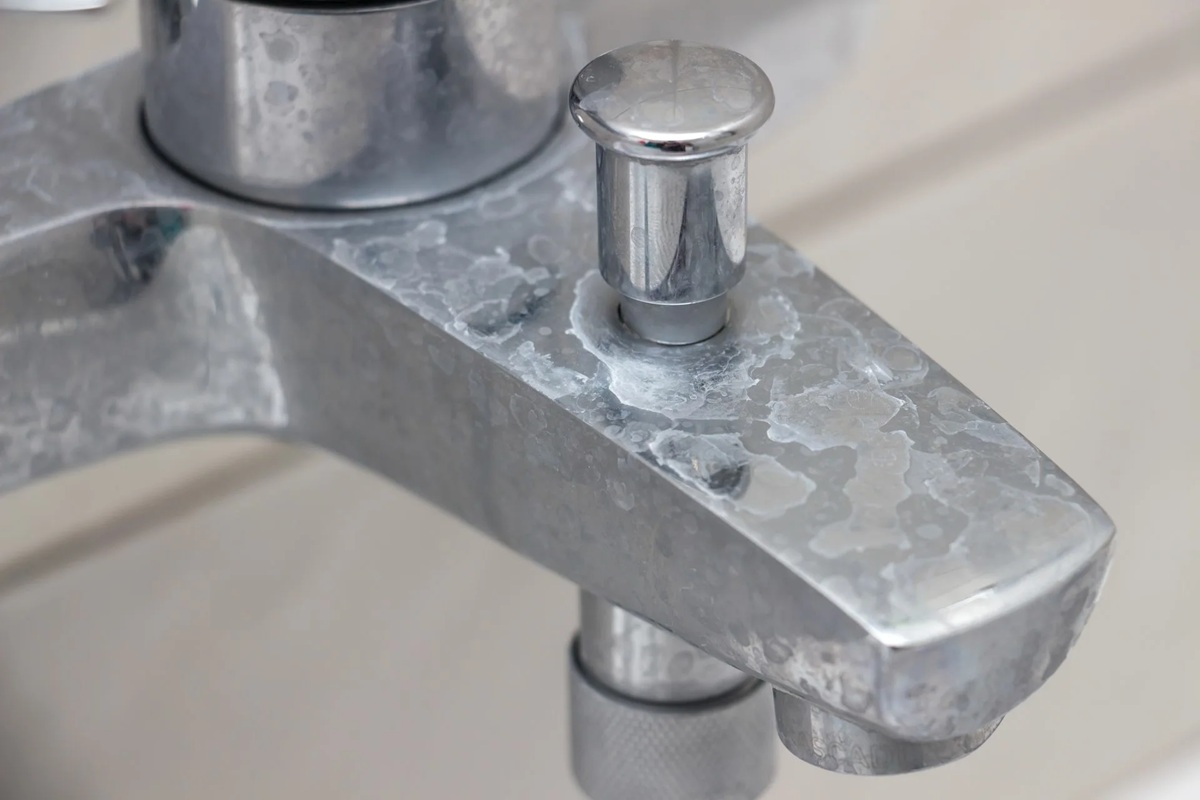
Water hardness, i.e. its calcium and magnesium salt content, varies depending on the geographical area. In regions with “harder” water, lime scale easily deposits in shower cubicles, washbasins or sinks, especially when hot water evaporates. Over time, these minerals adhere to the metal and form a whitish layer that covers the shine and leaves marks on the surface.
In addition to affecting appearance, limescale can reduce water flow and alter pressure, as it also accumulates in small parts such as filters or aerators. When the first signs appear — visible stains, loss of shine or decreased pressure — plumbers recommend not scraping or pressing the tap, but applying a simple method that allows you to remove limescale from the outside without damaging the parts.
HOW TO REMOVE LIME SCALE FROM THE OUTSIDE OF THE TAP
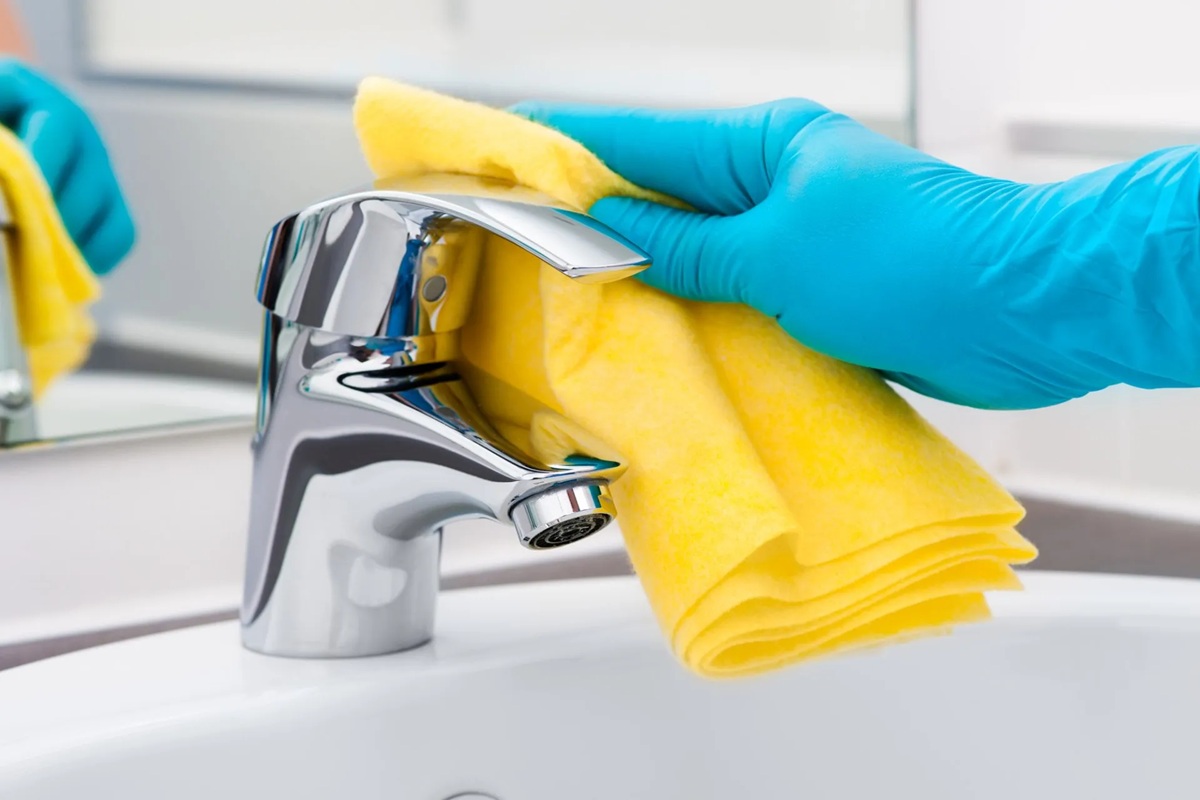
To restore shine to surfaces, plumbers advise using household products with a natural bleaching effect, such as white vinegar. Its acidity helps dissolve lime scale without using harsh products. The method consists of wetting a cloth with vinegar and wrapping it around the tap for a few minutes. After leaving it to work for about an hour, simply rub gently with a brush or sponge and rinse with clean water. If the stains do not come off, you can use alternatives such as alcohol or flour. In the latter case, the tap must be completely dry before applying the flour for it to work properly. After removing the flour with a cloth, the metal will regain its original shine, without scratches or residue.