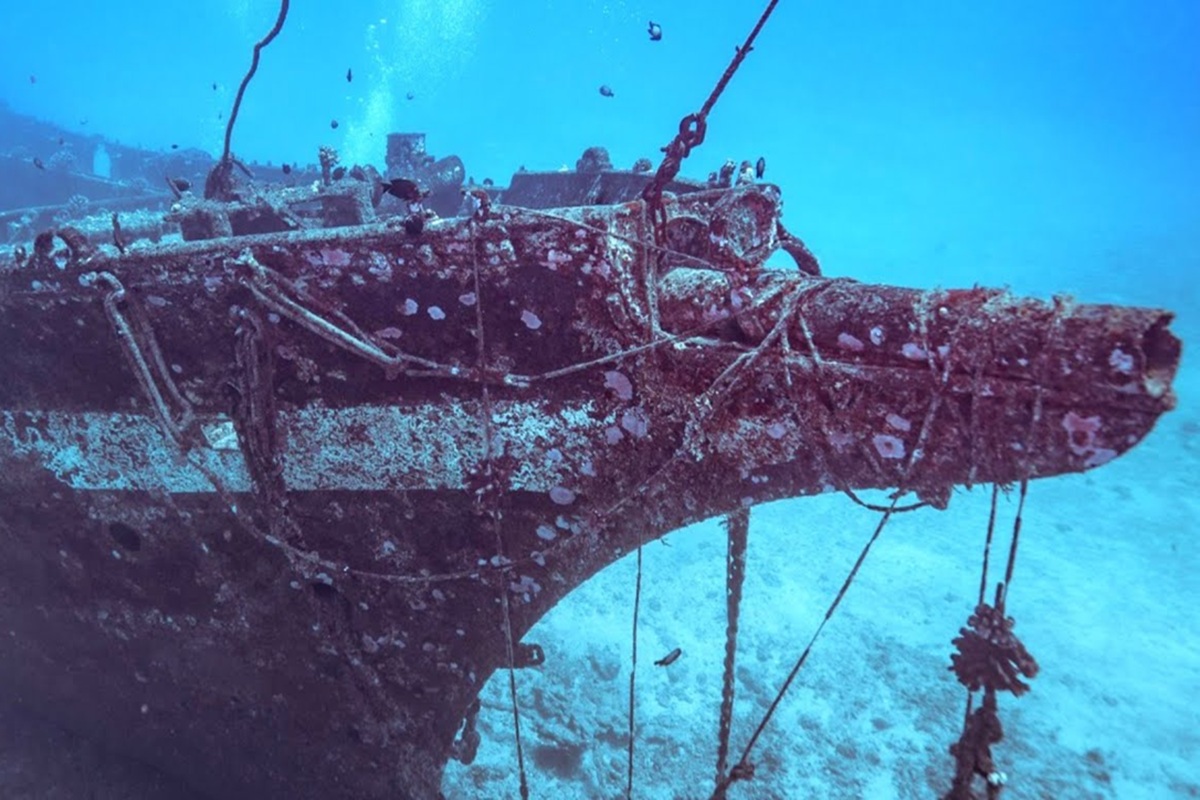
After 16 years of archaeological research, the location of the legendary Portuguese galleon captured by privateers in 1721 off the coast of Madagascar has been confirmed. The Nossa Senhora do Cabo, an imposing warship converted into a galleon, left Goa in 1721 bound for Lisbon with a cargo of high economic, political and religious value. On board were the viceroy of Goa, the archbishop and more than 200 slaves from Mozambique. A storm forced the ship to jettison its cannons, leaving it vulnerable to pirates Olivier Levasseur and John Taylor, who captured it near the island of Réunion.
The wall of the Gobi Desert
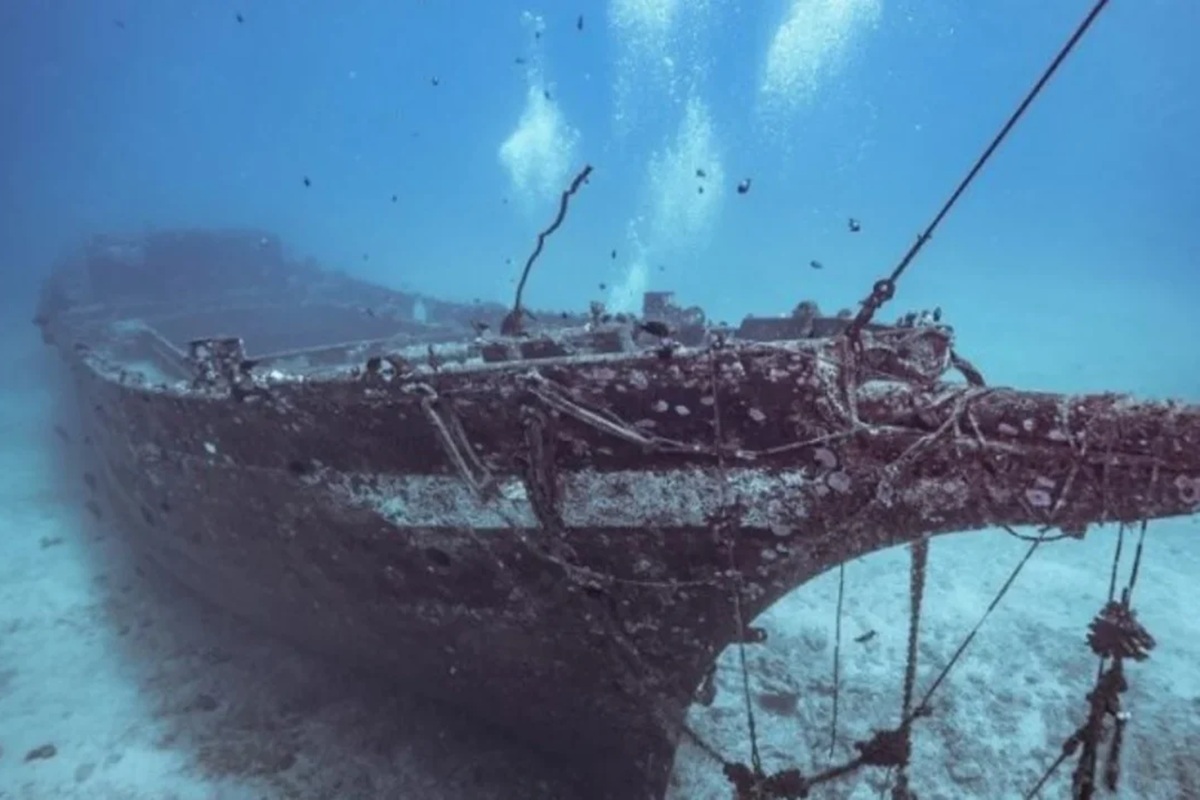
The wreck was identified off the island of Nosy Boraha, on the east coast of Madagascar, an area historically frequented by pirates and clandestine traders. The Massachusetts Centre for the Preservation of Historic Shipwrecks validated the identification after analysing more than 3,300 recovered objects, historical records and hull structures.
Notable artefacts include Portuguese religious sculptures, European coins, Asian porcelain, spices and an ivory plaque inscribed with “INRI”. These elements paint a picture consistent with a diplomatic and sacred ship, in line with descriptions of the Nossa Senhora do Cabo.
Historical and cultural implications
The discovery offers a unique window into 18th-century transoceanic trade, revealing the routes between Asia, Africa and Europe, as well as the dynamics of the slave trade and piracy in the Indian Ocean. The area where the wreck was found is home to between seven and ten documented shipwrecks, which reinforces its archaeological value.
In addition, the figure of Olivier Levasseur, nicknamed “The Hawk”, is once again in the spotlight. This famous French pirate, born in Calais between 1680 and 1690, began his career as a privateer during the War of the Spanish Succession and quickly became one of the most feared buccaneers in the Indian Ocean.
His alliance with John Taylor and the sacking of Nossa Senhora do Cabo cemented his reputation as a daring and ruthless strategist. Levasseur not only left his mark through his acts of piracy, but also through the mystery surrounding his legacy.
After being captured and executed on the island of Réunion in 1730, he released a cryptogram to the public which, according to him, contained the keys to finding his fabulous treasure. ‘May he who can understand it find my treasure,’ he challenged from the scaffold. Since then, his message has fuelled the imagination of treasure hunters, historians and adventurers, becoming one of the most persistent enigmas in world piracy.