Gold has been present throughout human history as a symbol of wealth and a driving force behind various civilisations. In this context, the question of how gold reaches the Earth’s surface has been the starting point for countless studies without a unanimous answer. The key lies in the geological processes that occur at great depths, in the Earth’s mantle.
Understanding how gold reaches the Earth’s crust not only solves a scientific puzzle, but also improves the way gold deposits are located. Researchers analysed phenomena that occur between 50 and 80 kilometres below the surface, in regions where the dynamics between oceanic and continental plates transform the chemistry of the subsoil.
How does gold reach the surface from the centre of the Earth?
To better contextualise this topic, it is important to note that most gold is not immediately available on the surface. It is trapped in rocks located in the mantle, the layer between the Earth’s crust and core. There, it remains isolated because, on its own, the metal does not tend to move or dissolve easily.
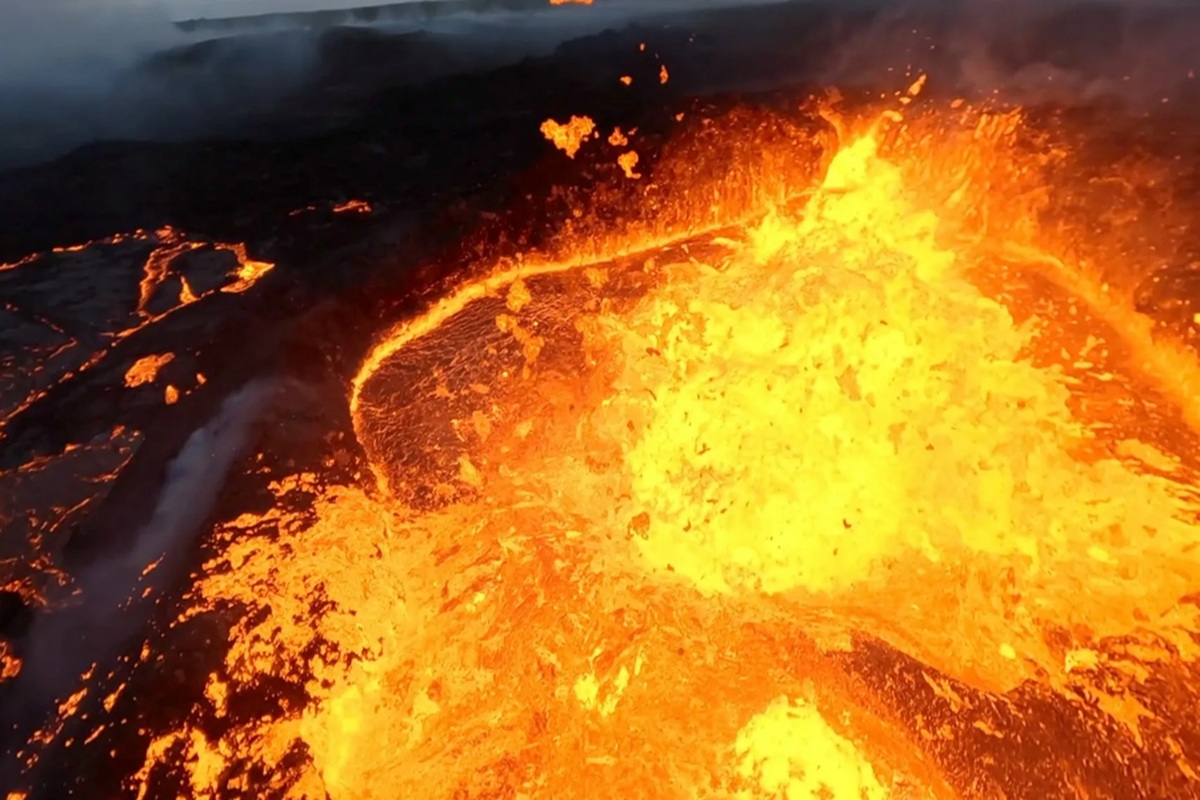
The so-called subduction zones are where the release occurs. In these places, the ocean floor sinks beneath the continental masses, dragging along water and chemical compounds accumulated over millions of years. When these plates reach between 30 and 50 miles deep, pressure and heat generate hot, saline fluids capable of modifying the composition of the environment.
These fluids feed the volcanoes located around the Pacific and, under the right conditions, also carry significant concentrations of gold. A team from the University of Michigan has successfully modelled this process.
The role of sulphur in gold transport
Gold does not migrate on its own. It needs to bind with another element that makes it soluble and transportable. Recent research points to sulphur as the decisive ally. When interacting with the fluids released by the sinking plate, the mantle acquires a more oxidising character. In this oxidising environment, sulphur takes on unusual forms and allows the creation of a novel chemical complex: gold trisulphide. In this structure (which has already been studied), one metal atom binds with three sulphur atoms, allowing the gold to dissolve in the fluids and rise with them to higher layers.
The thermodynamic models developed by the research team show that this is the most coherent explanation for the existence of extremely rich gold deposits in subduction zones. Without this complex, the metal would remain immobile, trapped in the minerals of the mantle.
The importance of water in transporting gold
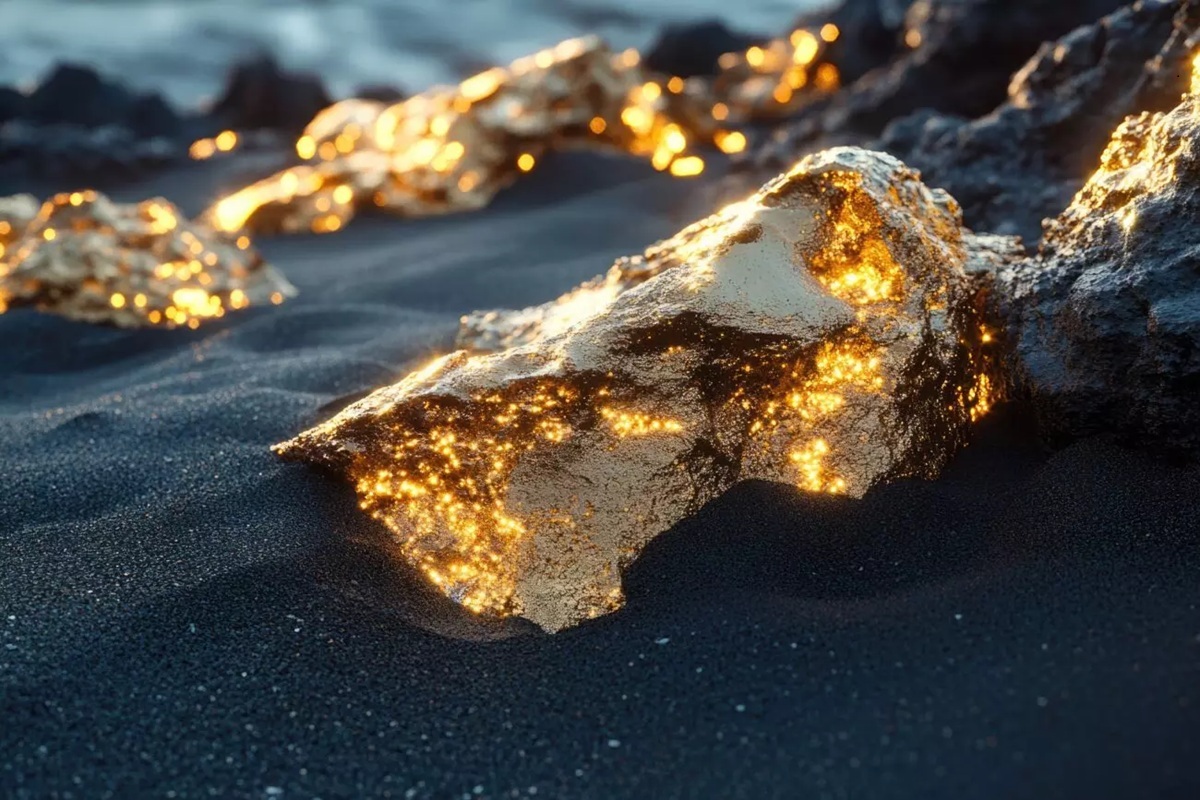
The research highlights an essential factor: water. It is not an accessory element, but an indispensable component for gold to travel to the surface. Aqueous solutions allow the gold-sulphur complex to move more effectively. Scientists explain that when the system contains enough water, the amounts of gold transported are much higher. In comparative terms, levels of grams of gold per cubic metre of fluid are reached, a concentration thousands of times higher than that observed in mantle rocks.
This explains why not all subduction zones generate gold deposits. The presence of water, together with specific pressure and temperature conditions, marks the difference between a process that retains gold and one that releases it into the crust.
How does gold reach exploitable deposits?
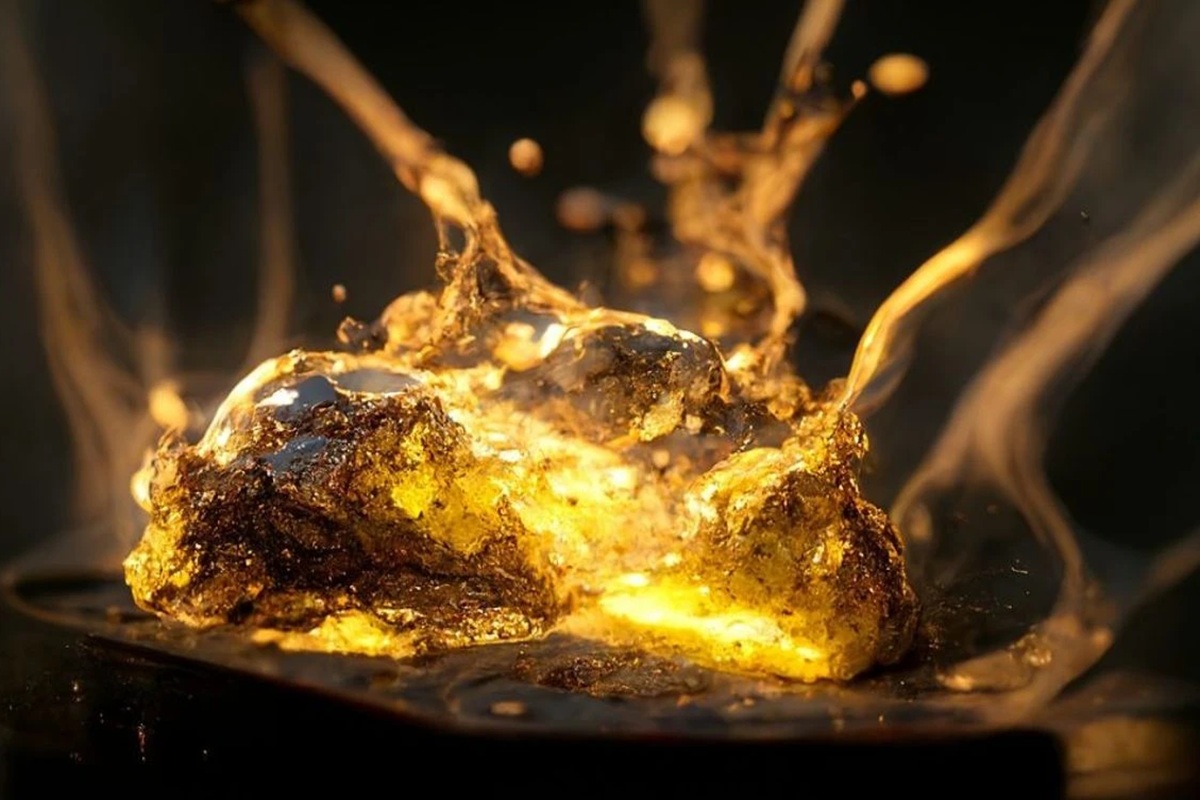
When all the ingredients (water, sulphur and the right oxidising environment) come together, gold is able to rise incorporated into magma. As this magma moves towards the surface, it cools down and deposits the metal in cracks and rock veins. The result is concentrations that, over millions of years, give rise to deposits rich enough to be mined.
This explains the distribution of deposits around the so-called Pacific Ring of Fire, from New Zealand to Chile, passing through Japan, the Philippines, Alaska and the west coast of the United States and Canada. As Adam Simon, the study’s lead researcher, noted: ‘The same processes that cause volcanic eruptions are what generate gold deposits in these environments.’ This breakthrough is not limited to the theoretical realm. It is a practical tool to guide the search for new deposits. The study thus offers a broader understanding of geological processes and establishes a connection between plate dynamics, volcanism and the formation of strategic mineral resources.