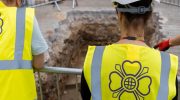
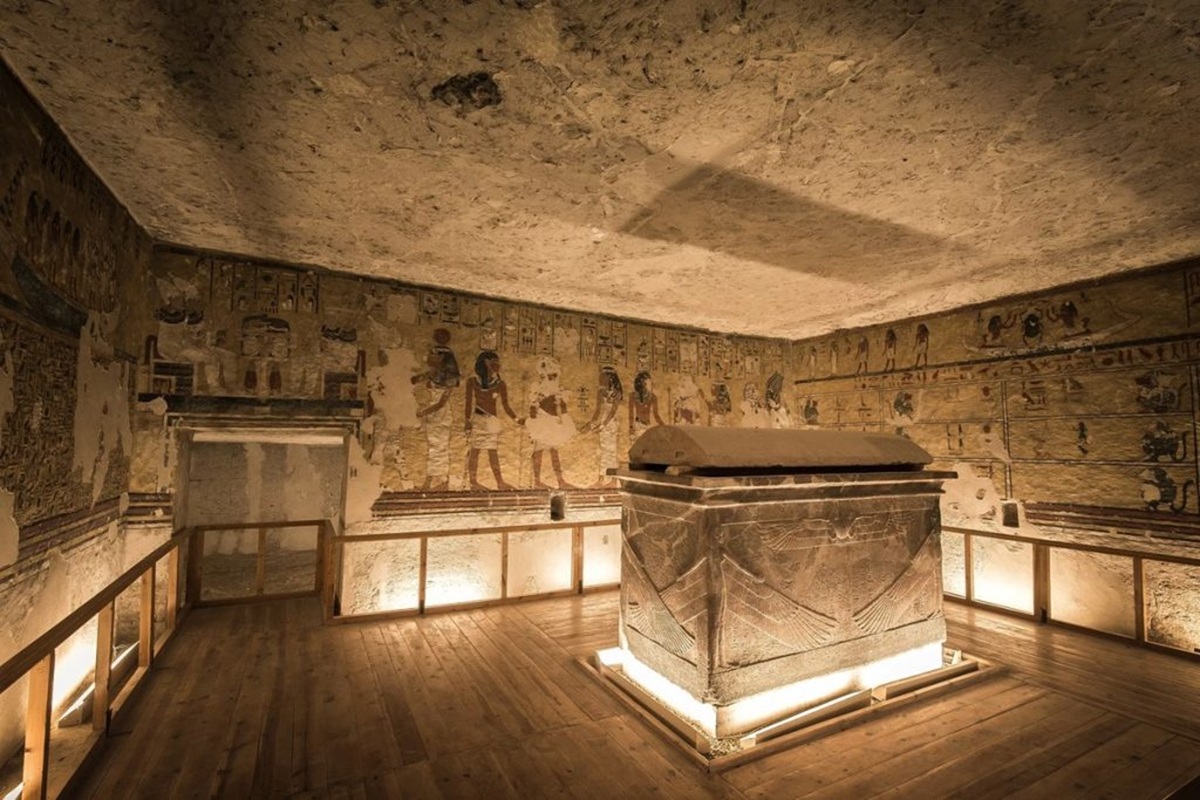
The archaeologist who led the project assures that everything ‘was completely sealed, never tampered with.’ Archaeologists working in Óbuda, north of Budapest, experienced one of those moments that rarely happen once in a career: when they lifted the lid of a Roman sarcophagus sealed 1,700 years ago, they found an intact and surprisingly well-preserved tomb. The discovery occurred during a large-scale excavation in what was once Aquincum, an important Roman settlement on the Danube.
The piece, carved from limestone and still sealed with metal and lead clamps, escaped the looting that devastated other tombs in the region. Its immaculate condition allowed researchers to open it as if time had simply passed by. Inside, they found the complete skeleton of a young woman accompanied by an impressive collection of funerary objects.
Gabriella Fényes, the archaeologist leading the work, pointed out that the integrity of the sarcophagus makes it an exceptional find: ‘It was completely sealed, never tampered with.’ The tomb appeared among the ruins of ancient dwellings abandoned in the 3rd century, in an area that later became a cemetery. Eight other tombs and the remains of an aqueduct were documented in the surrounding area, but none of them compared to the richness of this grave.
The grave goods included two intact glass bottles, small bronze figures and up to 140 coins. A bone hook, a piece of amber and fragments of fabric with gold threads were also recovered. These elements, together with the size of the remains, indicate that it was a young woman belonging to a wealthy family.
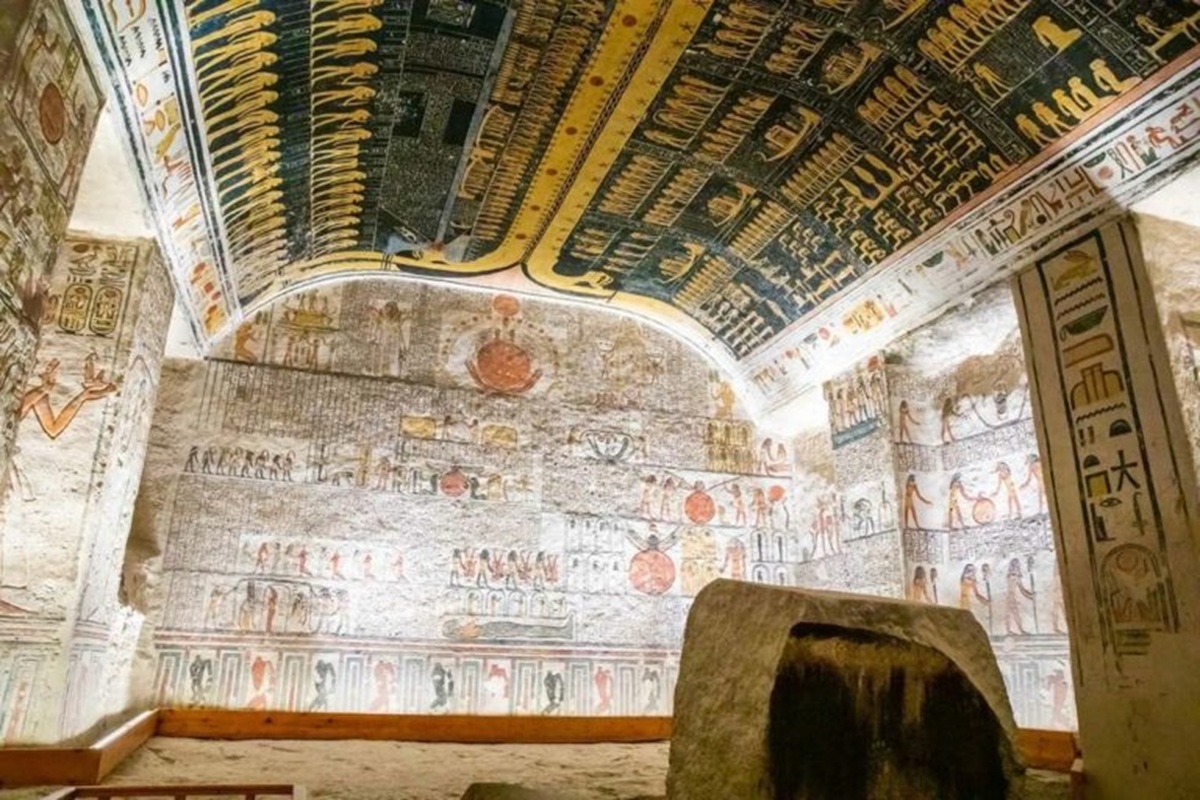
According to Fényes, the objects placed alongside the deceased are a demonstration of the care — and affection — with which she was buried: gifts to accompany her on her journey to the afterlife. The archaeologist confessed to feeling ‘a shiver’ when she opened the tomb and realised the dedication with which it had been prepared almost two millennia ago.
The historical context reinforces the importance of the discovery. In Roman times, this region was part of the province of Pannonia, very close to the border defended by a legionary camp. The structures in the excavated area would have belonged to the civilian settlement that grew up around it, which helps to place the young woman in a relatively prosperous urban environment.
The remains will now be analysed by anthropologists to determine her age, state of health and possible origins. Meanwhile, archaeologists continue to examine the interior of the sarcophagus: under a layer of mud several centimetres thick, more items may be hidden, perhaps jewellery that has not yet come to light. For the team, the discovery is not only of scientific value: it is also a moving testimony to the human bond that endures even after 1,700 years.