
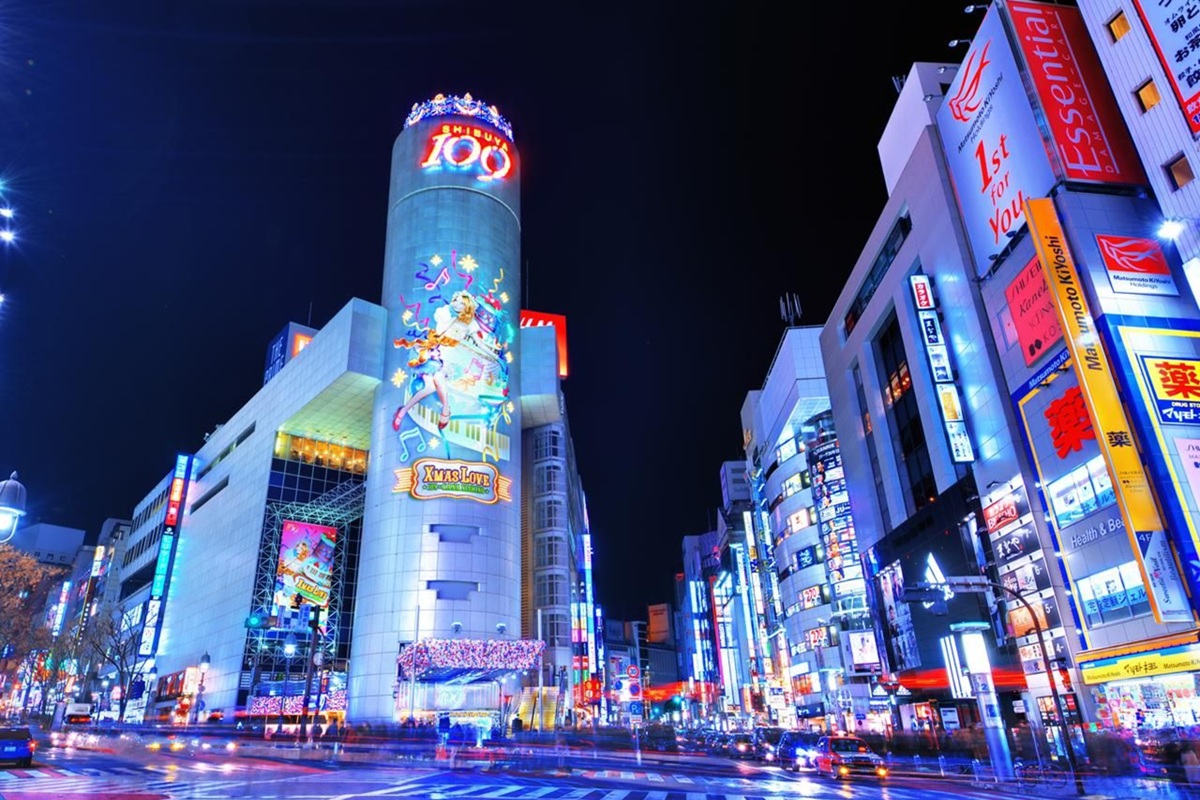
During the 1990s, the idea took hold that Japan represented the future. Anyone who travelled there encountered bullet trains, cities covered in neon lights, technological culture on every corner and a very visible contrast between tradition and innovation. In the early 2000s, camera phones and humanoid robots arrived, further reinforcing that image of a country ahead of its time. Three decades later, that perception remains alive in the collective imagination, but it no longer fully reflects the technological reality in Japan.
Japan retains significant capabilities, but it has been losing ground for years. It controlled nearly 50% of global semiconductor production four decades ago, and in 2019 it accounted for only 10%. In artificial intelligence, it fell from fourth to ninth place after the launch of ChatGPT in 2022. According to the Global Innovation Index 2025, it ranks 12th, and in digital competitiveness it falls to 31st, affected by a lack of specialised talent.
Japan seems determined to return to the global technology scene
Japan is rolling out several initiatives to reposition itself technologically, and one of the most significant is its future national quantum network. The plan envisages a 600-kilometre fibre optic infrastructure connecting Tokyo, Nagoya, Osaka and Kobe, which will have an operational environment for testing in 2027. The National Institute of Information and Communications Technology will lead the project alongside Toshiba, NEC and telecommunications providers. The network will transmit quantum keys using photons, in states that allow attempts to intercept information to be detected.
The quantum gamble cannot be understood without considering the risk that lies ahead. IBM and Xanadu predict that quantum computers with error correction will be functional before 2030, which could render current encryption systems obsolete, including RSA and elliptic curve algorithms. In 2024, researchers at Shanghai University breached SPN encryption using D-Wave technology, while Google warned that 2,048-bit RSA keys could be decrypted in less than a week with advanced quantum resources. That is why NIST has begun publishing post-quantum cryptography standards to protect digital infrastructure.

Building the network is only the first step. Japan has experience in quantum research, but lacks large-scale operating environments and will need to resolve issues such as signal stability, deployment costs and system governance. Equipment will need to be installed at regular intervals to maintain the range and quality of the encryption, which makes the operation more expensive and requires specialised personnel. However, these challenges also represent opportunities to develop new capabilities, train talent and demonstrate that the country can once again compete in advanced infrastructure.
The international map shows that Japan is not starting from scratch, but it is not leading the way either. China has a terrestrial quantum network of more than 10,000 kilometres connecting around 80 cities, and the European Union is working on its own infrastructure covering several countries. The difference lies in the approach: Japan aims for its network to function as operational national infrastructure, with the capacity to scale up and become a strategic asset.
The potential of this project goes beyond its technical scope. Japan wants this network to become a symbol of technological autonomy and a platform from which to build international agreements. With its own technology and operational experience, it could offer solutions to other countries and strengthen its role as a provider of digital security. In a scenario where secure communications will be considered critical infrastructure, being prepared may be a way to regain relevance without competing in all sectors at the same time.