
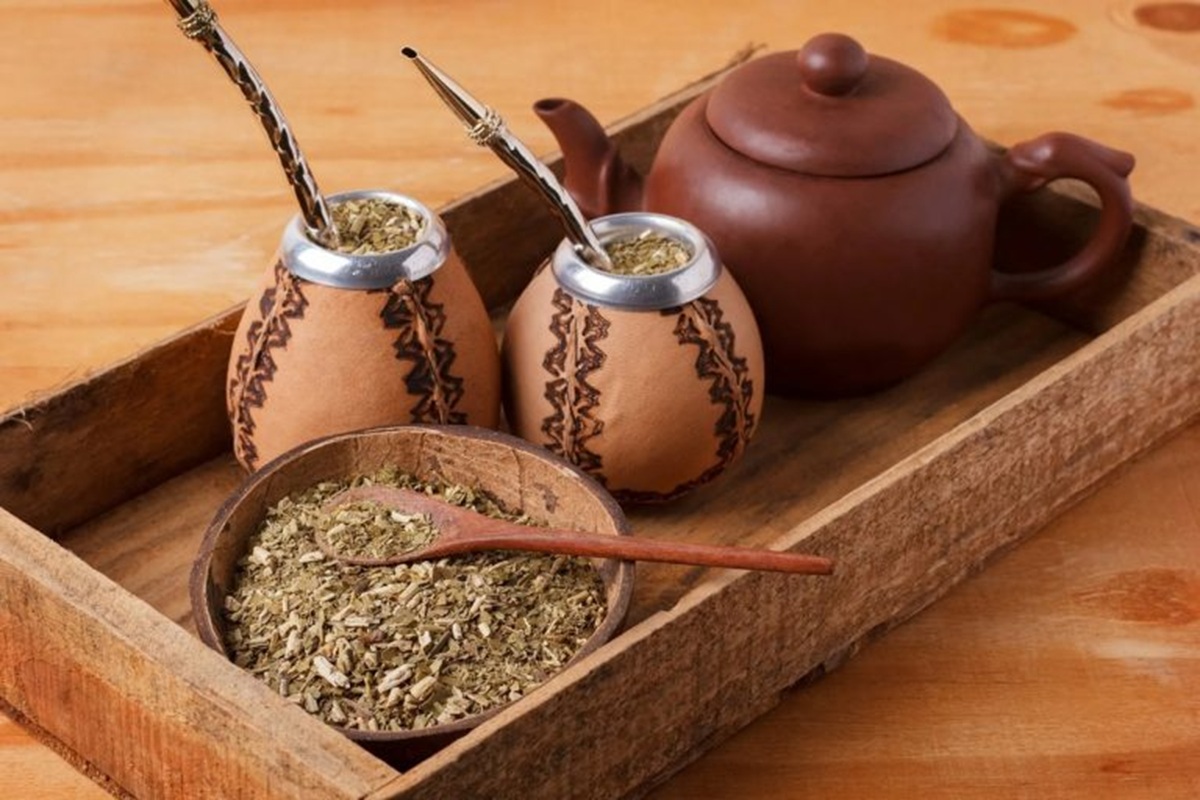
Today is National Mate Day. Scientists in the US have conducted experiments on animals and human cells. They suggest that drinking mate can restore antioxidant capacity. What the experts interviewed say. Today is National Mate Day, and a study published in the International Endodontic Journal has shown the potential benefits of drinking mate for oral health.
Researchers in the United States have indicated that drinking mate can protect teeth and bones from apical periodontitis, an inflammation that occurs at the tip of the tooth root. Apical periodontitis is an inflammation and infection that affects the tip of the tooth root and can damage the surrounding bone.
Results obtained in the laboratory and in animal models indicate a possible protective action of this infusion against damage caused by this type of inflammation inside and outside the oral cavity. The study showed that the use of mate restored the antioxidant capacity of plasma in rats with apical periodontitis and reduced indicators associated with oxidative damage to the blood. Teams from the University of Michigan in the United States participated in the study.
Why mate consumption is being studied
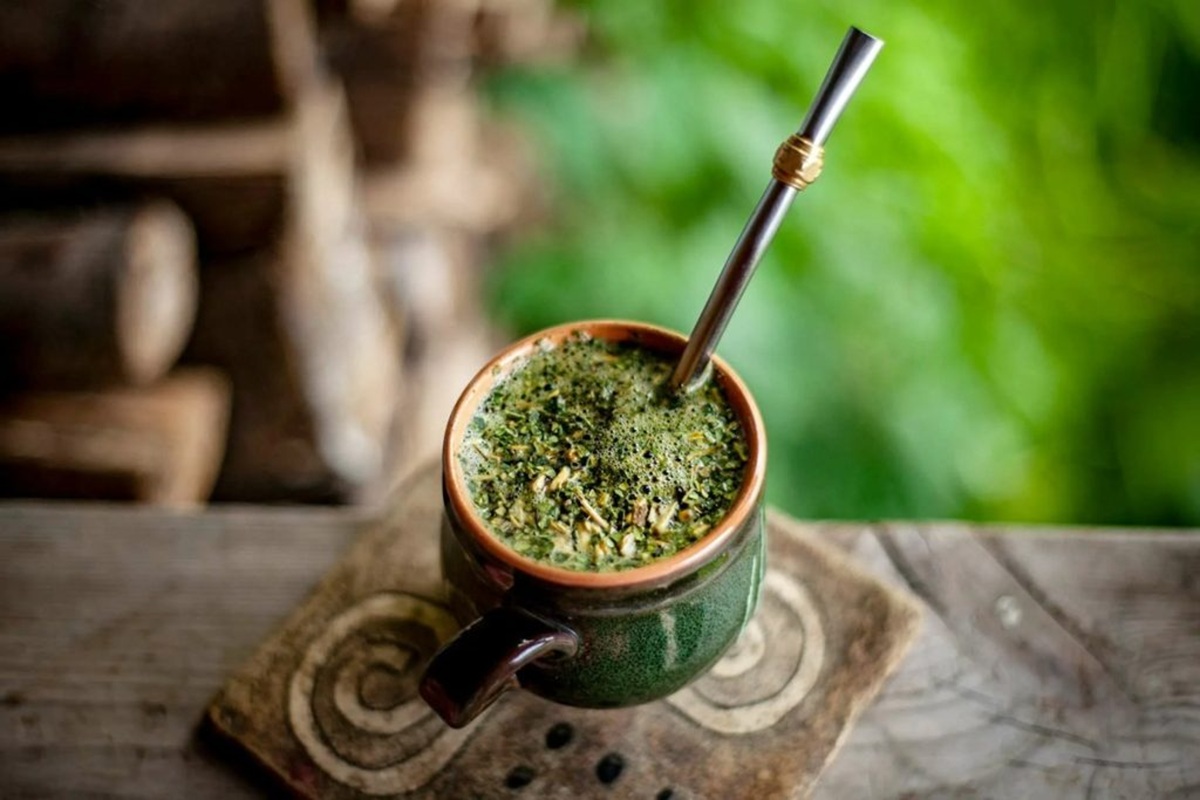
In the study conducted by US scientists, human dental cells exposed to mate maintained their viability and reduced the amount of inflammatory molecules. Apical periodontitis is caused by an infection at the tip of the tooth root and compromises the bone and gums. In addition to pain and possible irreversible damage, it can activate chemical mechanisms that affect overall health. Among these mechanisms is oxidative stress, the accumulation of substances that damage cells and disrupt the body’s balance.
The researchers wondered whether consuming mate, a plant known for its antioxidant and anti-inflammatory properties, could slow down the damage caused by apical periodontitis. Mate is a South American plant whose leaves are used to prepare a traditional tea rich in antioxidants. This infusion is consumed daily in millions of homes, and scientific studies have already shown that it has other health benefits. However, until this new work, the specific effects on apical periodontitis had not been studied, even in such accurate dental models.
How the effect of mate was tested
The experiment included tests on rats as well as human dental cell cultures. Mate powder dissolved in water was used in doses comparable to those ingested by a person consuming mate. Four groups of rats were formed: one healthy, one receiving only mate, one with apical periodontitis, and another with periodontitis and mate. In human cells, mate allowed the cells to maintain their viability and normal activity. It reduced the amount of inflammatory molecules associated with damage to the dental pulp and modulated the biochemical pathways associated with inflammation.
In animals, mate extract restored plasma antioxidant indicators to near-normal levels and reduced lipid oxidation in the blood, a typical marker of oxidative stress. In addition, diagnostic analysis revealed a lower amount of inflammatory infiltrate in the teeth and low activity of the cells responsible for bone destruction. The scientists measured proteins and markers such as IL-10, RANKL, TRAP, and OPG, all associated with inflammation and bone loss, and found favourable differences in the group that received mate.
The methods used included microscopy to examine the tissues, biochemical analysis of the blood, and 3D computed tomography to observe the structure of the jaws and detect millimetric changes. In conversation with Juan Ferraro, PhD in biological sciences, researcher at Conicet and the Faculty of Exact and Natural Sciences of the University of Buenos Aires, co-author of the book La ciencia del mate, he expressed the following opinion: ‘This work is very important because it provides conclusive evidence of the health effects that were already attributed to mate, but which have been analysed in another physiological system.’ The expert believes that the results ‘can serve as a basis for the development of new treatment methods. However, it is still too early to think about treatment, especially since it is based on animal models.’
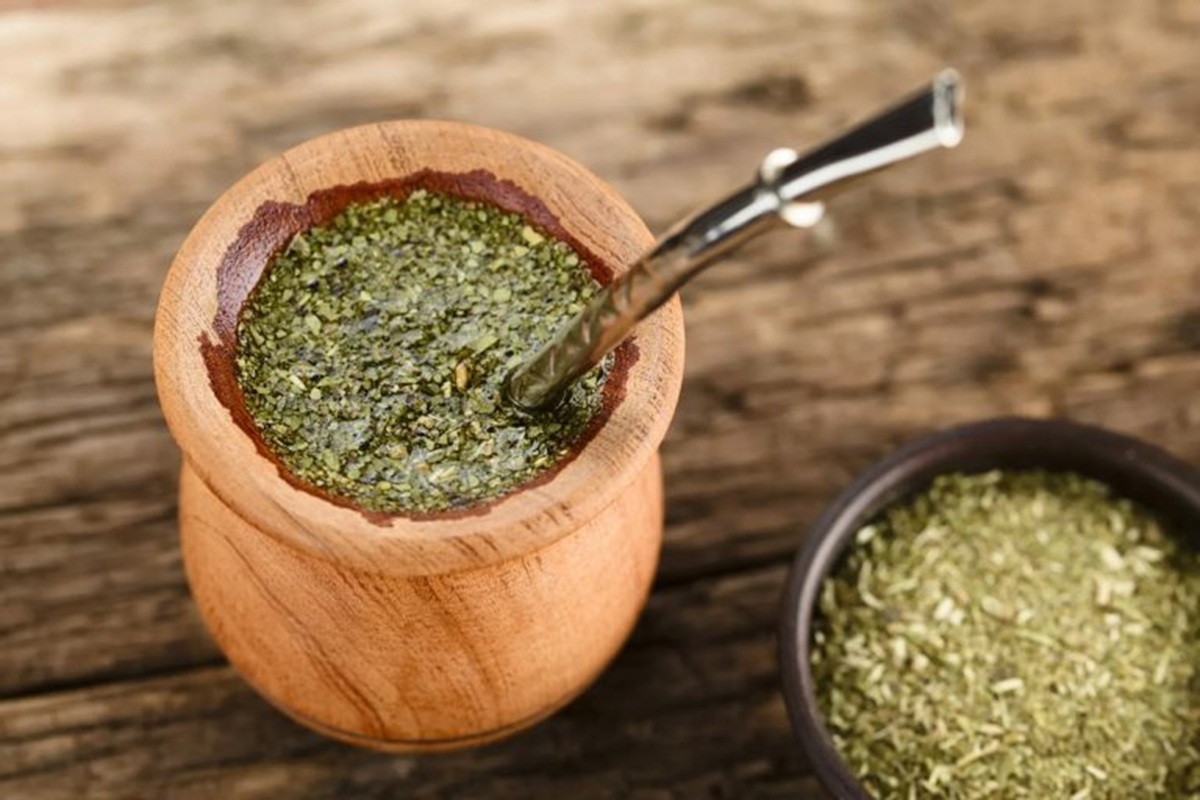
What else you need to know about mate and oral health
After obtaining the results, the researchers explained that the experiments were carried out on animals and cells in the laboratory, so it is not possible to directly transfer the results to the treatment of people. They explained that it is still necessary to find out the ideal dose and the most effective form of application, if its effectiveness as a complementary remedy is proven in the future. The researchers pointed out that, at this time, there are no clinical trials in humans on apical periodontitis and mate. Another point they made is that they evaluated only part of the antioxidant mechanisms of the infusion, so there are still many processes to be analysed before understanding all its possibilities as a complementary therapy.
To date, mate has proven to be safe and has not caused any harmful effects in rats. This, combined with its positive effect on human cells and the reduction of inflammatory processes, encourages further research so that, in the future, oral cavity treatment may include this popular infusion. “The interpretation of the results can be approached in two ways. On the one hand, one can think of an epidemiological evaluation among mate consumers. On the other hand, one can think of using the herb as a source of one or more active ingredients to obtain concentrated extracts,‘ he explained.
’This work is important. But in the field of scientific research, it is a link that allows us to strengthen hypotheses and continue moving forward,” he emphasised. In turn, chemical engineer and sommelier Martín Gómez, author of the book La yerba mate: Mitos, verdades y chamuyos (Mate: myths, truths and small talk), commented: ‘It is very exciting to know that scientific research continues to reveal the properties of mate, especially in the area of oral health.’
‘Its consumption is growing in North America and Europe because people are becoming more aware of its benefits. There are many ways to consume it: mate is available in powder form, supplements and energy drinks,’ he noted.