
American researchers have developed materials with biologically inspired structures that have defined cycles and disappear after use. How does this development work, which would enable sustainable management of industrial and domestic waste? A team of scientists at Rutgers University has developed an innovative chemical strategy to manufacture biodegradable plastics capable of decomposing in a programmed manner under everyday conditions, without the need for heat or harsh chemicals. Published on 26 November 2025, this breakthrough represents a significant step in the fight against plastic pollution, a global environmental problem. The project, led by Yuwei Gu, assistant professor at Rutgers, introduces a technology that could transform the production and use of plastic materials in countless industries.
The main goal, Gu explained, was to find a solution that would allow plastics to degrade after fulfilling their function. ‘Biology uses polymers everywhere, such as proteins, DNA, RNA and cellulose, but nature never faces the long-term accumulation problems we see with synthetic plastics,’ Gu said, quoted by Rutgers University. Inspired by plastic waste in a nature park, the scientist sought to mimic the structure of biological polymers, which disappear without leaving any residue, unlike synthetic plastics. Rutgers researchers have designed nature-inspired plastics that can self-destruct after use and reduce environmental impact.
Programming lifespan and versatile applications
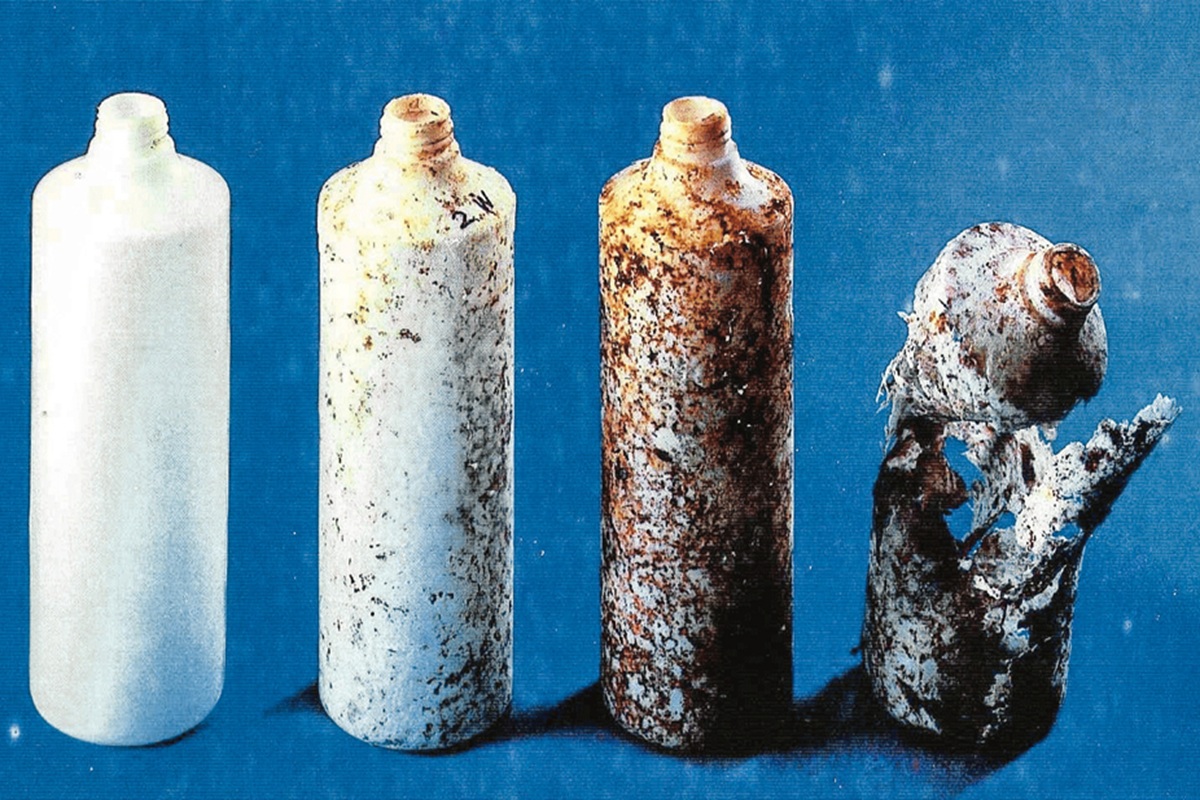
The principle behind this development lies in the incorporation of small functional groups into polymers, similar to those found in natural materials such as DNA or proteins. These internal groups act as ‘helpers’ and facilitate the breaking of chemical bonds when degradation is activated. Gu explained: ‘By controlling their orientation and location, we can design the same plastic to decompose in days, months or even years.’ Thus, the material remains resistant during use but can decompose as programmed. The technology allows the lifespan of the plastic to be adjusted according to the needs of each product. The Rutgers University team demonstrated that degradation can be activated within timeframes ranging from days to years, which is ideal for single-use products, such as fast food packaging, which should only last a few hours, or for car parts, which require greater durability.
In addition, the process can be initiated by ultraviolet light or metal ions, which adds additional control. The team is also exploring applications in controlled-release drug capsules and smart coatings, broadening the scope of the innovation. Gu highlighted in the Rutgers University press release that ‘this research not only opens the door to more environmentally responsible plastics, but also expands the tools for designing smart and responsive polymer-based materials in many fields.’ The ability to programme degradation offers solutions for disposable packaging and durable products, supporting sustainability and the fight against pollution.
Environmental impact, safety and next challenges
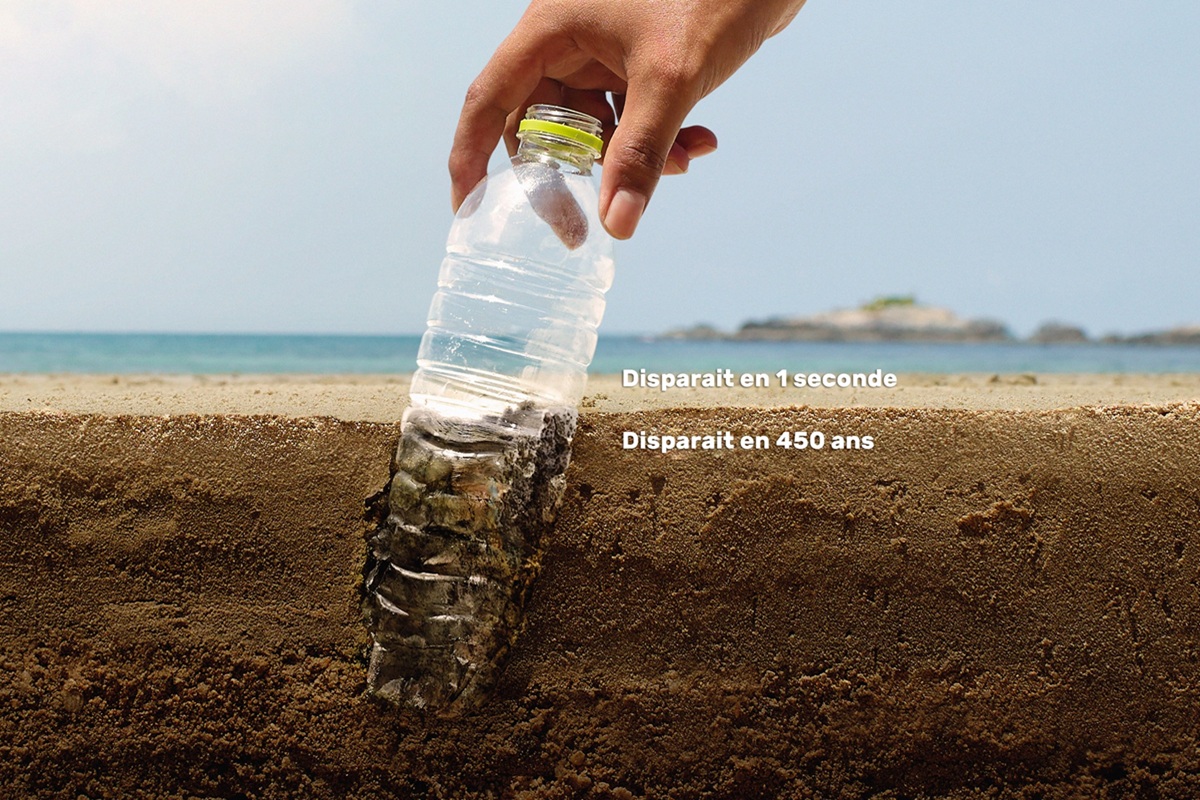
The breakthrough offers an alternative to persistent materials that saturate landfills and oceans, as it allows plastics to decompose safely and in a programmed manner, with the potential for significant environmental and social impact. Although initial laboratory tests indicate that the liquids resulting from decomposition are non-toxic, researchers say that the effects of degradation products on the environment and health are still being evaluated. Further studies are needed to confirm their long-term safety.
With an eye to the future, scientists at Rutgers University are working on adapting this technology to industrial processes and analysing in detail the safety of the fragments generated during degradation. In addition, they are investigating the feasibility of applying the method to pharmaceutical capsules and smart materials. Although technical challenges remain, Gu points out that, with industry collaboration and proper development, these programmable plastics could be incorporated into everyday products. The fundamental aspiration is to make plastics disappear after they have served their purpose, allowing chemistry to contribute to a more sustainable and environmentally responsible future.