
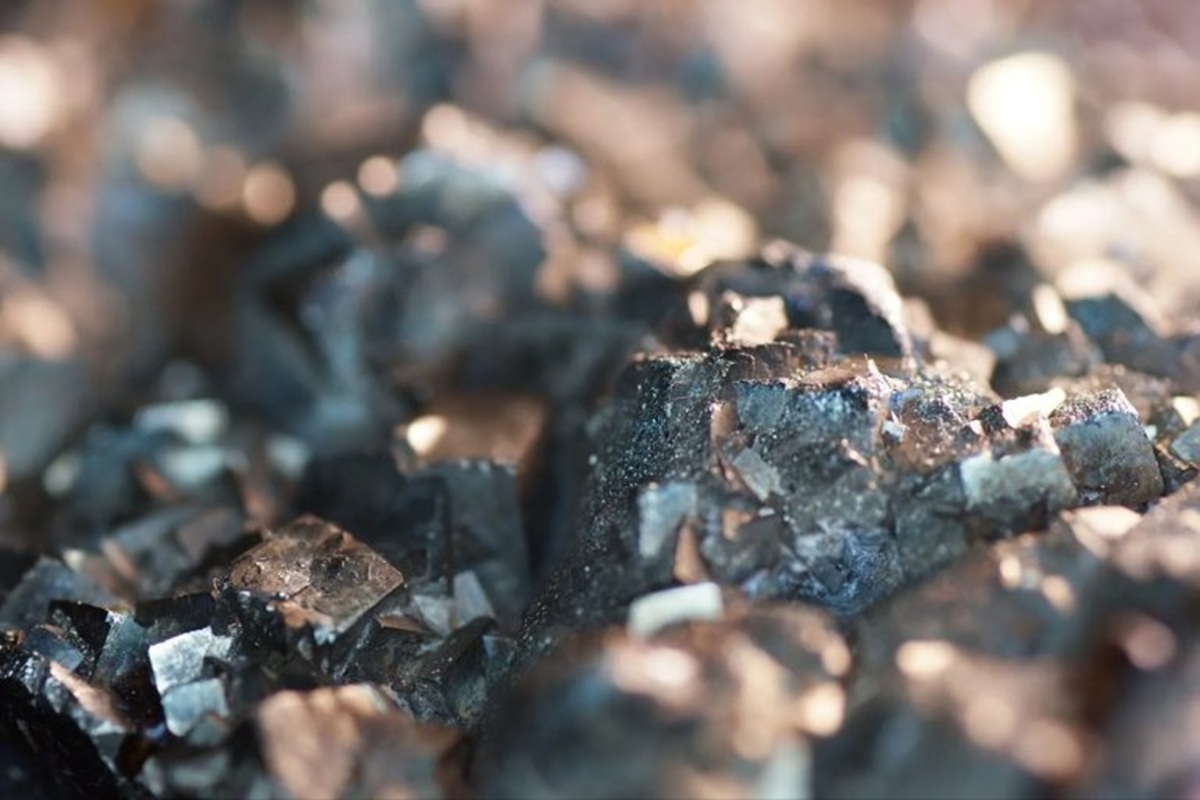
The future of rare metals will depend on finding a balance between technological need and respect for the Earth’s limits. Today, technology depends on elements that almost no one knows about: neodymium, dysprosium, lithium, cobalt, tellurium, gallium, indium, among others. These are ‘rare metals’ or critical elements and rare earths. The availability of these elements has become a critical issue.
The curious thing is that “rare” does not always mean scarce. Many are widely distributed in the Earth’s crust, but rarely in concentrations that facilitate their extraction. This detail makes their extraction a complex process, often costly and with environmental impacts that the scientific community is working to reduce. As the transition to renewable energy progresses, global demand for these metals continues to grow, and with it, the urgency to find more responsible ways to produce and manage them.
Experimentation
This is where materials science comes into play. This discipline, situated at the frontier between physics, chemistry and engineering, investigates how to better extract these resources, but also how to replace them when their use becomes unsustainable. Teams from different countries are experimenting with magnets that do not require rare earths, batteries based on sodium, which is much more abundant than lithium, or alloys capable of maintaining performance without relying on critical elements. It is not just a question of innovating for the sake of innovation, but of imagining a less vulnerable and more balanced technological future.
However, talking about rare metals is not just about laboratories or supply chains. It is also about recognising the material relationship we have with the planet. Every mobile phone, every solar panel and every battery is, in a way, a small mineral map containing fragments from different corners of the world. Thinking about this changes the way we value the objects we use and reminds us of the importance of managing them well when they no longer serve us.
What makes them so special?
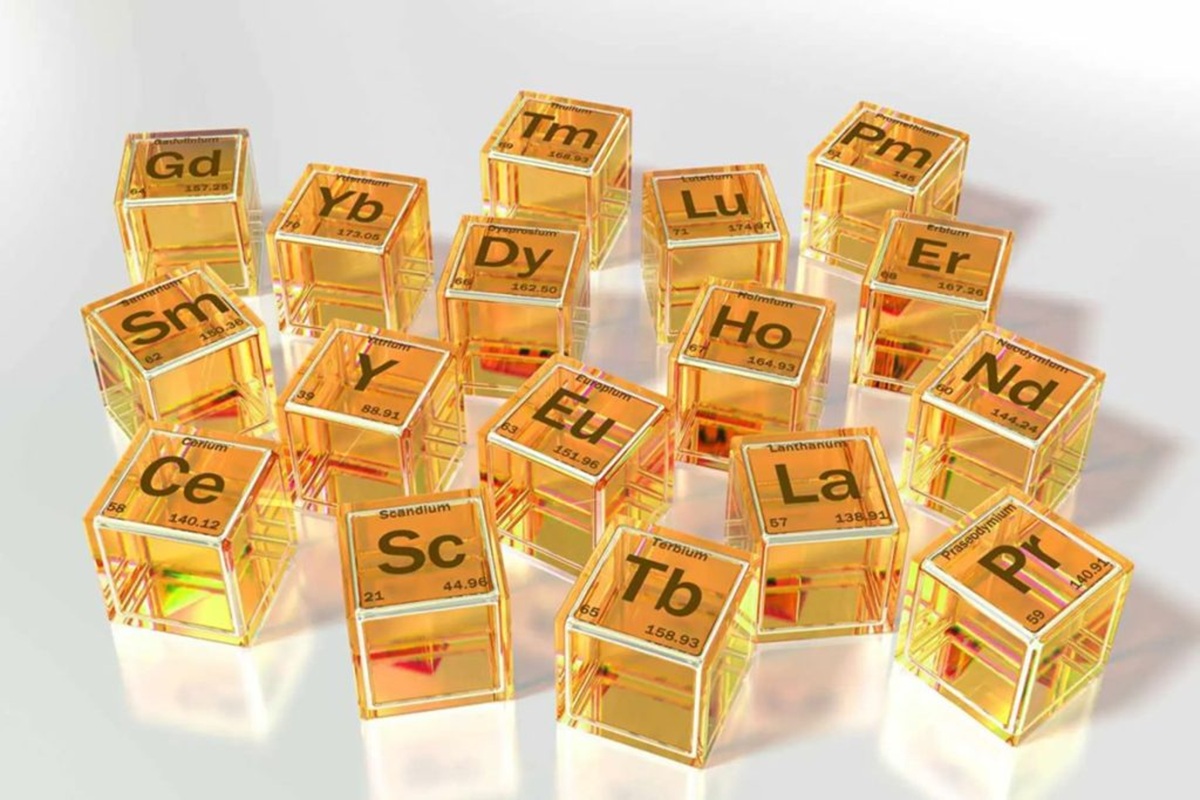
Rare metals are not “rare” because they are scarce, but because they are almost never found in deposits that are easy to mine. These elements have electronic and magnetic properties that no other material can match. For example:
- Neodymium and dysprosium. They create the most powerful permanent magnets in the world. Without them, there would be no compact electric motors or efficient wind turbines.
- Lithium. It stores more energy per kilogram than any other chemical option.
- Cobalt. It stabilises lithium-ion batteries so that they do not combust or lose capacity quickly.
- Tellurium and selenium. They convert sunlight into electricity with greater efficiency in certain thin-film solar cells.
- Gallium and indium. They allow LED and OLED screens to shine with intense colours and consume little energy.
A single electric car can carry 2-3 kg of rare earths in its magnets, as well as 8-10 kg of lithium and 10-15 kg of cobalt in its battery.
The problem: availability
China produces between 85 and 90% of the world’s refined rare earths. Chile, Australia and Argentina account for 90% of lithium. Separating these elements requires complex chemical processes, a lot of water and energy, and generates toxic and radioactive waste. For several decades, the West closed its factories because it was cheaper and less polluting to buy from China. However, in 2020, this dependence set off alarm bells. The United States reopened the Mountain Pass mine (California) and is funding separation plants in Texas and Canada. Australia, for its part, is developing several projects. The European Union has declared 34 materials to be “critical” and has set a target of extracting 10%, recycling 25% and processing 40% by 2030. Japan already recycles 30% of the indium it uses in screens and has strategic reserves of seven metals.
Recycling and substitution
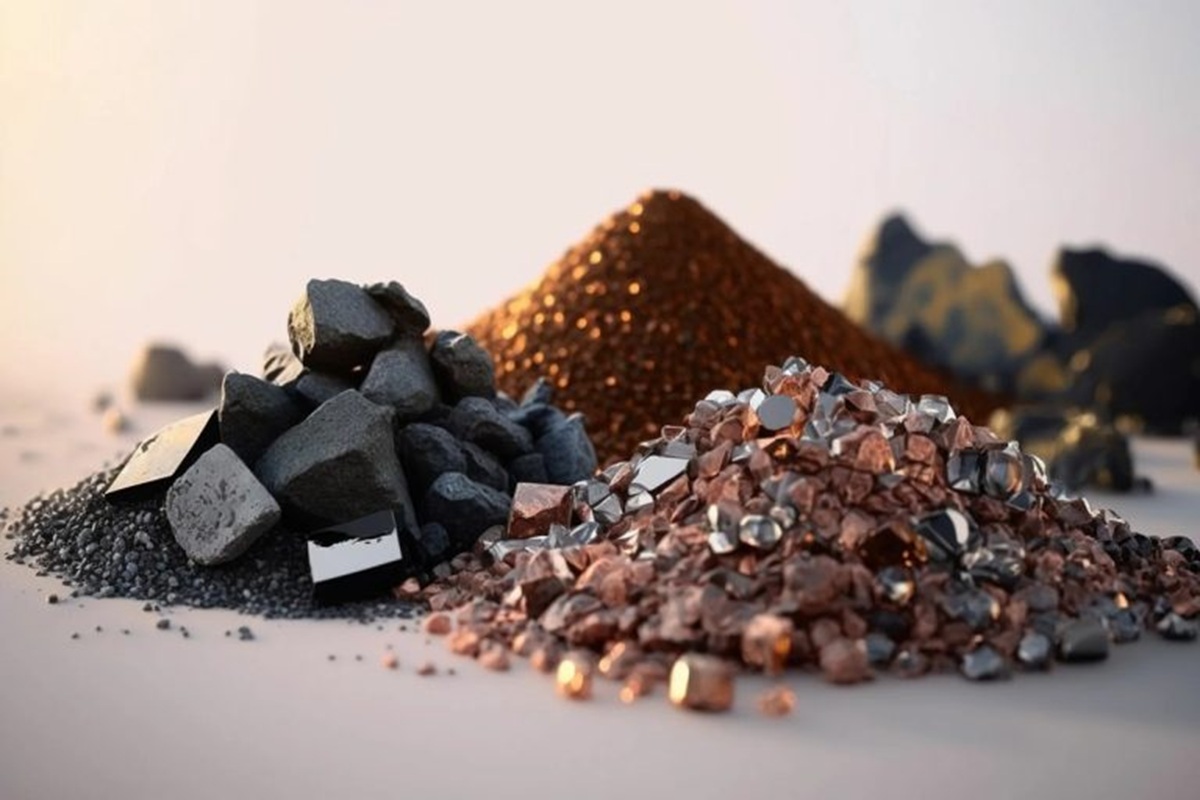
Today, more cobalt and lithium are thrown away than are extracted from many mines. An old mobile phone contains 0.2 g of cobalt; one million mobile phones amount to 200 tonnes, the same as a medium-sized mine. Companies such as Redwood Materials (USA), Umicore (Belgium) and Li-Cycle (Canada) are building factories that recover 95% of the lithium, cobalt, nickel and graphite from used batteries, with 80% fewer emissions than traditional mining. There are already processes that promise to recover 90% of old magnets.
The other route is to design materials that require less or none of these elements. In this regard, there have also been advances. In 2023, Tesla announced the creation of rare earth-free motors, using improved ferrite magnets and more copper. Other companies, such as Niron Magnetics (USA), are developing iron nitride magnets that could replace neodymium. Similarly, researchers at the University of Cambridge and Toyota are working on sodium-ion batteries that do not require lithium or cobalt.
Obstacles and prospects
In Congo, 70% of cobalt is mined by hand: children and adults dig with their hands in tunnels that collapse. In the Atacama Desert, lithium extraction consumes water that indigenous communities need to live. In China, toxic lakes of rare earth waste have contaminated entire rivers. Over the next 15 years, we will need 4 to 6 times more lithium, 3 to 4 times more cobalt and about 10 to 15 times more rare earths than we do today. The goal is for recycling to cover 20-40% of demand by 2040. New battery chemistries (sodium, iron-air, solid state) are also expected to reduce pressure on lithium and cobalt. Meanwhile, rare earth-free magnets will be in mass production before 2030.