

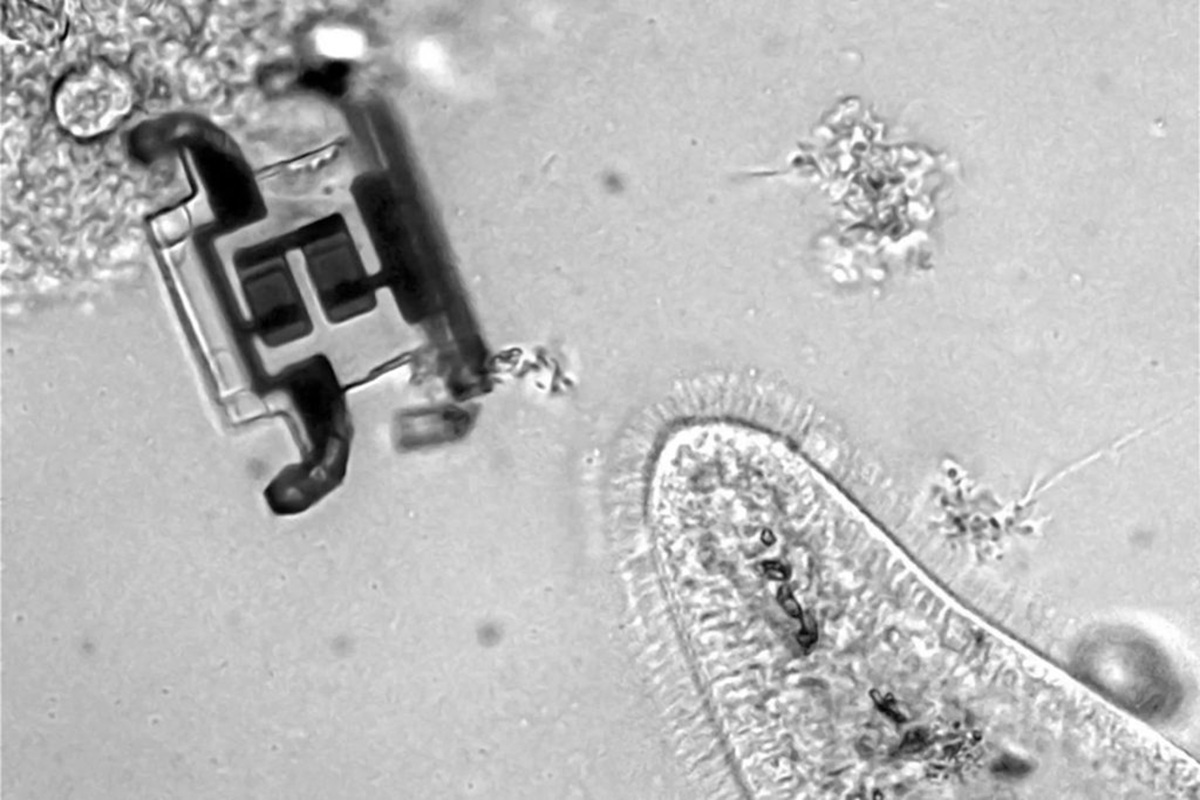
A method designed to prevent unwanted reactions in the body. Find out more. Science surprises us once again with a breakthrough that could transform the way medical treatments are administered. A group of Swiss researchers has developed a microrobot the size of a grain of sand, capable of moving inside the human body using magnetic fields and releasing medication precisely, without affecting other areas of the body. ‘We are just at the tip of the iceberg,’ said Bradley J. Nelson, lead author of the study published in the journal Science, highlighting the enormous potential of this technology to reduce the side effects that currently prevent many drugs from advancing in clinical trials.
How the micro-robot that can travel through the bloodstream works
This tiny device is controlled externally using magnets, ‘like a console controller,’ explain its creators. Specialists can track its path in real time using X-rays and guide it even against the blood flow, something unthinkable with current methods. The capsule has already been successfully tested in pigs, animals whose vascular system is very similar to that of humans, demonstrating that it can deliver a drug exactly where it needs to act.
A radical change in how traditional tablets work
One of the main problems with oral treatments is that the drug travels throughout the body. When you take a simple aspirin, that molecule travels to areas where there is no pain or inflammation, which increases the risk of undesirable effects. With this new microrobot, the drug only reaches the target tissue, preventing it from dispersing and significantly improving therapeutic accuracy.
Possible uses: from brain cancer to aneurysms
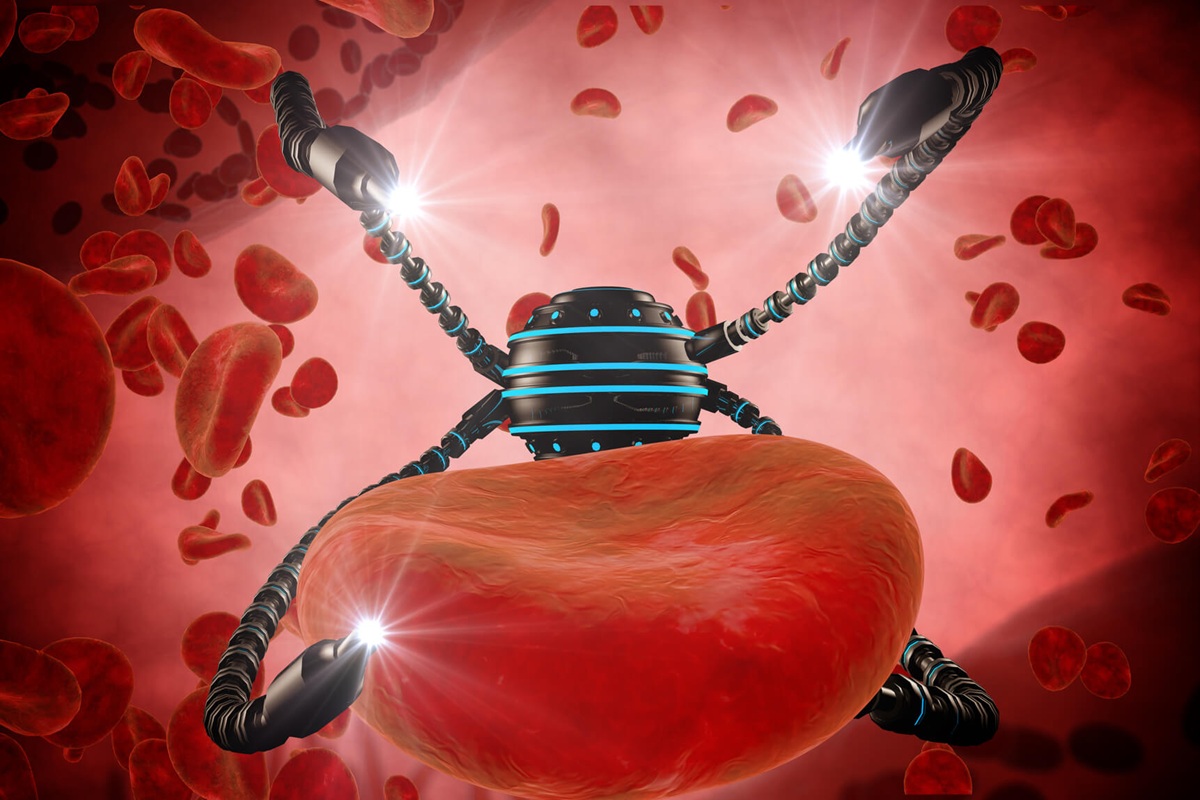
Nelson is convinced that this technology will open the door to new clinical approaches: ‘I think surgeons will study this. I’m sure they’ll have lots of ideas about how to use the microrobot,’ said the researcher. According to experts, it could be used for minimally invasive interventions in:
- Aneurysms
- Highly aggressive brain cancers
- Arteriovenous malformations
In addition, the capsule is made of safe materials and, according to Nelson, ‘we can activate the capsule to dissolve’ when the procedure is complete.
The opinion of other experts
For Howie Choset, professor of robotics and bioengineering at Carnegie Mellon University, this breakthrough marks a turning point: ‘I try not to exaggerate, but this work, in terms of its ability to provide high-precision care, is by far the most exciting I’ve ever seen.’