

New electrostatic defrosting method manipulates ice ions and reduces their mass without heat or chemicals, promising industrial and domestic applications.
- Ice without heat or chemicals.
- High voltage to polarise ions in the ice.
- Up to 75% ice removal in minutes.
- Less energy and less waste than traditional methods.
- Clear application: heat pumps, cars, airports.
A solution for ice: electricity as a clean tool
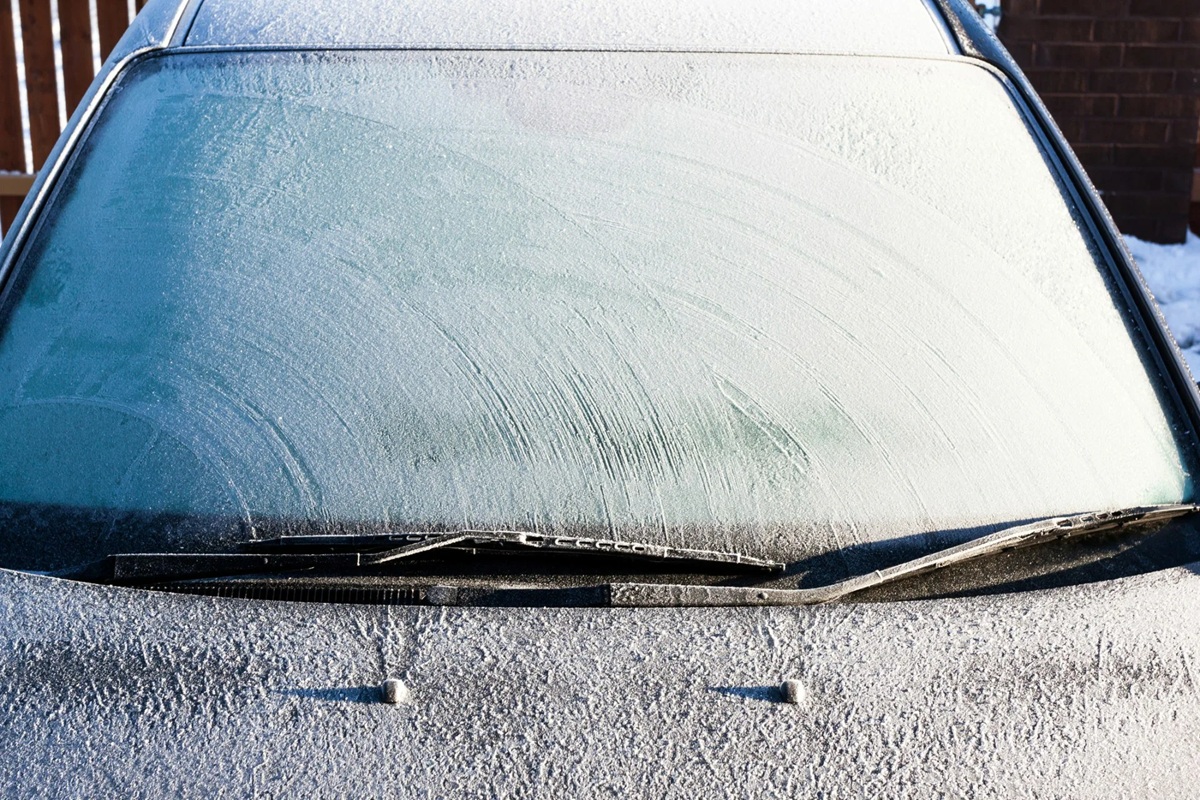
During winter, ice blocks windshields, spoilers, heat exchange grilles, and sensors. The usual method—heating or spraying chemicals—consumes a lot of energy and ultimately generates waste. A team from Virginia Tech proposes another way: taking advantage of the physics of ice itself. Their new technique, electrostatic defrosting (EDF), applies a voltage to an opposite electrode that polarises the ‘ionic defects’ present in the ice and removes it without heat or chemicals.
How EDF works, in a nutshell
Ice is not perfect. Small “misplaced pieces” (H₃O⁺ and OH⁻) appear in its crystalline lattice. When applying a positive potential to an opposite plate, these ions migrate into the ice layer: the whole is polarised and the resulting attraction causes the crystals to jump to the electrode. In laboratory tests, a copper plate has already removed ≈15% of the ice without applying voltage; with 120 V, removal increased to ≈40% and with 550 V to ≈50%. At higher voltages, the yield fell due to charge leakage to the substrate; by switching to a superhydrophobic substrate that retains air, the technique increased to ≈75% removal in minutes.
Why this is important beyond the laboratory
- Heat pumps: periodic defrosting reduces seasonal efficiency. Recent measurements and models show that improper adjustment of the cycle start can penalise efficiency by up to ~9.1%, and that defrosting is an unavoidable loss with current methods. Reducing or shortening these cycles with EDF saves kWh and improves comfort.
- Aeronautics and airports: glycols and acetates predominate today. They work, yes, but they generate organic and nutrient loads in runoff and require expensive collection and treatment infrastructure; federal regulations in the US require that, at certain airports, 60% of the de-icing fluid applied be captured. Electrical solutions reduce spills and dependence on chemicals.
- Automotive and exposed electronics: windshields, ADAS cameras, LiDAR or parking sensors need clear vision without overheating or draining the battery at low temperatures. EDF fits the bill: low consumption and fast. (The university itself highlights its potential for everyday uses).
What is already known… and what is missing
For years, the literature has been testing superhydrophobic coatings to ‘detach’ ice, with ambivalent results: in humid environments, ice penetrates the texture and increases adhesion; other times, it slows down but does not prevent it. EDF does not compete with these coatings: it uses them as an insulating substrate that minimises charge leakage and amplifies the electrical effect. The big picture: coating + electric field promises more than each separately.
What impact can it have on the environment?
- Less energy for defrosting: if EDF reduces the duration or frequency of cycles, the total electrical intensity decreases. In homes and the tertiary sector, these savings are multiplied in cold climates, where heat pumps accumulate several defrosts per day.
- Fewer chemicals in airports: reducing the volume of glycols and acetates means less BOD, less phosphorus and cheaper treatments to comply with discharge limits.
- Improved sensor reliability: ADAS and safety equipment operate without overheating components, extending their service life and avoiding premature waste.
- Risks to be monitored: safe electrical design (avoid discharges, corona and EMI), recyclability of coatings and footprint of new insulating materials. Net balance: favourable, but with responsible engineering.
Use cases that make sense today

- Residential and industrial heat exchangers — main objective: shorten or avoid complete defrosts.
- Windscreens and cameras in the automotive industry, where a few seconds gained at dawn are worth more than a heater running for ten minutes.
- Airport runway in light frost conditions, combining EDF for rapid take-off with minimal doses of antifreeze.
What remains to be demonstrated
- 100% removal on complex surfaces and on an industrial scale.
- Exact consumption with the same efficiency as resistors or fluids.
- Durability of substrates and electrodes after thousands of cycles and under dirty ice (dust, salts, soot).
- Compatibility with specific electrical and aeronautical standards. (Research is in the early stages, but the leap from the laboratory to application is already visible).
Potential
- Seasonal efficiency of heat pumps: an EDF layer sensitive to humidity and pressure drop could reduce defrosting time and increase SCOP without touching the compressor.
- Airports with a smaller footprint: applying EDF to walkways, ground equipment and sensors reduces glycols and facilitates compliance with discharge limits without expanding treatment plants.
- Eco-friendly coating design: prioritise recyclable dielectrics and fluoropolymer-free coatings so that the electrical solution does not depend on problematic materials.
- Coherent electrification: in a context of F-gas reduction and decarbonisation, removing ice from the road with well-dosed electricity fits in with increasingly renewable grids. Less resistive heat, fewer chemicals, more control.
EDF is not magic; it is good use of the physics of ice. If engineering perfects electrodes, substrates and control, it can become a clean standard for treating ice where kilowatts and litres of glycol are currently spent. And that, in the midst of the energy transition, makes a difference.